Why We Gather, a yearlong series of artist-led gatherings taking place in 12 rural communities across the United States, launched with its first project in Rushville, Nebraska on August 2, coinciding with the 250th anniversary of the signing of the Declaration of Independence.
Conceived as a mosaic portrait of the nation in this historic anniversary year, the initiative brings together artists, makers, and residents to reflect on the societal forces shaping their communities today, while considering the role local voices play in building the country’s future. Initiated by artists with deep roots and longstanding relationships in their respective communities, Why We Gather will unfold through 12 gatherings, creating opportunities for cultural exchange and civic dialogue in cities across the country.
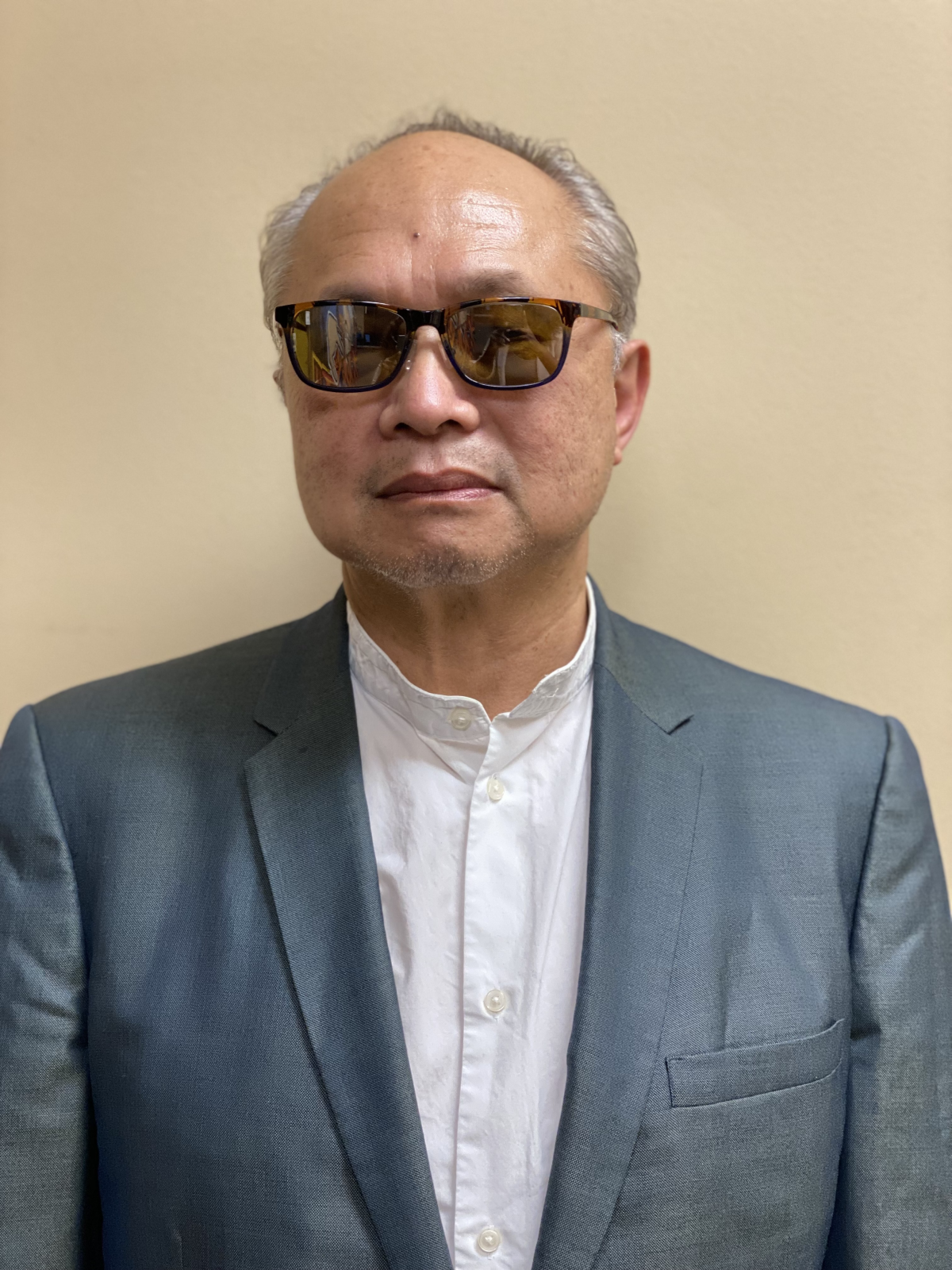
Mel Chin. Photo by Miriam Heads
Gatherings will address issues ranging from climate resilience, land stewardship, and cultural preservation to food sovereignty, migration, mutual aid, water access, and intergenerational knowledge sharing. Artists who are already deeply embedded within these 12 communities will work with local partners to develop gatherings shaped by regional foodways, cultural traditions, and community priorities. Organized around the principles of hosting and gifting, each gathering centers on a shared meal and includes the creation of a functional object produced by local makers and gifted to participants. The guest lists for each gathering are determined by the artists and local partners, focusing on individuals they want to thank, honor, and celebrate. Each gathering will range from 40-400 participants.
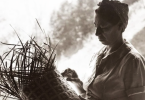
Gatherings will take many forms, including film screenings, storytelling events, and communal craftmaking. These include Mel Ziegler’s Self-Evident in Nebraska, which invites participants from across all 50 states and U.S. territories to collectively reimagine the Declaration of Independence through a large-scale installation of 1,332 handwritten words displayed on T-shirts across the Sandhills landscape; Ger Xiong’s workshops centering Hmong metalworking and jewelry traditions across Wisconsin; DesertArtLAB’s weaving and basket-making activities using locally harvested materials in Colorado; and Las Nietas de Nonó’s Puerto Rico gathering, where artist-designed dishware and a newly constructed kiosko, or traditional open-air food stand, will serve as platforms for shared meals and conversation.
Other projects range from a community dinner celebrating the diversity of Indigenous communities hosted by Jeffrey Gibson in Oklahoma and featuring original dishware created by Gibson and Oklahoma-based artists Anita Fields and Yatika Starr Fields, to a storytelling
event hosted by Mel Chin in North Carolina that reflects on the history of a former maternity hospital as a site of care, exchange, and collective memory, to Adriana Corral’s gathering with the Pointe-au-Chien Indian Tribe, centered on a film screening that addresses land loss and resilience after Hurricane Ida.
Led by Independent Curator Abigail Winograd with lead support from The Hearthland Foundation, Why We Gather reflects a commitment to ensuring that access to meaningful artistic and cultural experiences is not determined by geography. At a time when cultural resources and opportunities are often concentrated in major metropolitan areas, the project creates opportunities for artistic participation and creative engagement in rural communities across the United States, illustrating how artists and residents in every region contribute to the nation’s cultural life.
“At its core, Why We Gather is grounded in the belief that all communities should have opportunities to participate in ambitious artistic and cultural programming and that artists have an important role to play in fostering civic and community life,” says curator Abigail Winograd. “By supporting artists working in community, commissioning local makers, and investing directly in regional creative economies, the project expands access to arts and cultural experiences while building on the strengths, traditions, and knowledge already present in each place.”
Why We Gather draws inspiration from the drafting process of the Declaration of Independence, which underwent multiple revisions, committee deliberations, and debate before its adoption. In this spirit of drafting and active engagement, the project convenes communities to listen, share stories, and consider the challenges and possibilities shaping each place today. Rather than advancing a singular narrative of the United States at 250, the project reflects the distinct histories and perspectives of communities across the country while exploring the role they play in shaping the nation’s future.
The project also advances a broader model for cultural investment rooted in long-term relationships, local collaboration, and shared authorship. In treating the Semiquincentennial not as an endpoint but as a moment of reflection and a catalyst for continued engagement, Why We Gather fosters sustained practices of cultural participation and community-building that extend beyond the anniversary year.
Each gathering will be photographed and documented, creating an evolving record of conversations taking place across the 12 communities, and community stories will be collected and archived in an online portal. The project will also be accompanied by a catalog that brings together reflections and stories from across the gatherings. The series will culminate in October 2027, with a final convening that brings all the artists together to extend local conversations and networks into a national dialogue.
Developed in collaboration with SOURCE Studio, Mel Chin’s gathering in Egypt Township, NC, will bring together individuals connected to his studio, a former craft center and maternity hospital that served Yancey County. Cradle will invite community members born in the hospital to share their stories, sample global cuisines and create an artwork with the artist. Taking place on the second anniversary of Hurricane Helene, the gathering will feature international food, storytelling, and community making—imagining a climate of nurturing and connection in a divided time.
Chin’s art employs a wide range of approaches, from unique, idiosyncratic objects to operations that require multidisciplinary collaboration. He is the recipient of a 2019 MacArthur Fellowship, a member of the American Academy of Arts and Letters and the winner of the 12th Hiroshima Art Prize.