By Elspeth Brown
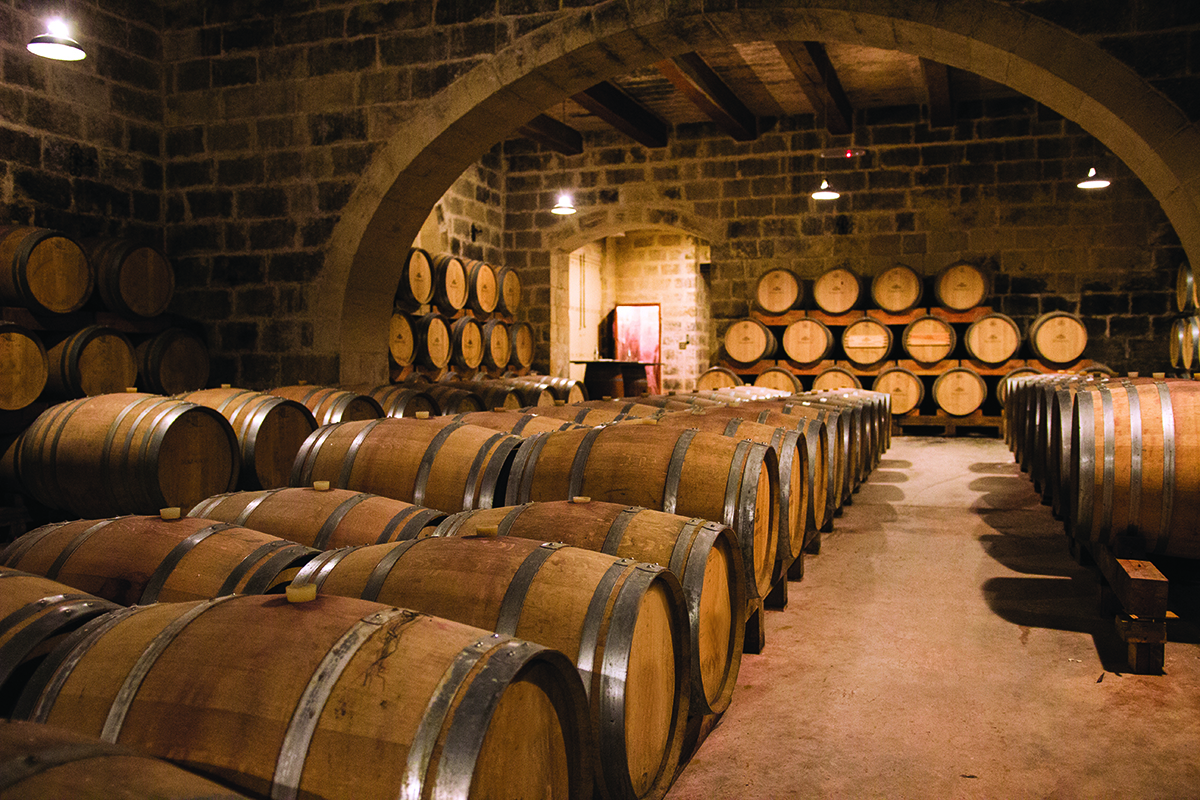
I remember the first time I toured a winery. The vineyards were gorgeous and the tasting room was impressive, but my favorite area was the aging room, or barrel room. There were hundreds of oak barrels and aging devices. It was one of the coolest things I had seen. I was hoping my group of friends would forget about me and I would get to spend the night among the aging wine, but I had no such luck.
In this winery, they used various types of oak barrels and concrete tanks. It smelled sweet, damp and musty in a good way. There was also a slightly boozy smell like my wine bar at the end of a busy night, and a woody one like the fresh-cut lumber my dad had in his workshop to build houses. Even though the aging room was quite cool, the room exuded warm smells.
There are various vessels to age and craft wine. Oak barrels and stainless steel tanks are the most commonly used. There are also clay amphorae and concrete eggs which have become increasingly popular. In some interesting cases, winemakers will also use plastic tanks, fiberglass, cowhides and, heaven forbid, garbage cans.
Oak barrels have always been my favorite style of wine aging. There are multiple types of oak barrels that impart such a different aspect to the aging process. Barrels of French and American oak are the most popular and well-known types. French oak has a tighter grain, which allows a slower extraction. In turn, it also creates softer tannins and more restrained flavors. American oak, on the other hand, has a wider grain and accelerates the flavor transfer. The result produces bolder wines with bigger flavors. Winemakers will also use Slovenian and Hungarian oak, similar to French oak and falling into the European oak category.
Stainless steel vats are another great option for aging wine. It can be a cheaper option for winemakers, and it produces a fresh fruit-forward style of wine. I have also seen more wines aged in concrete eggs and amphorae, or terra cotta jars. Concrete eggs provide the fermenting wine structure while still retaining a fruit-forward, very true expression of the grape in the tank. Amphorae have effects on wine similar to those of concrete, but with a slightly earthier finish. Amphorae and concrete have been around for thousands of years, but consumers are starting to see a resurgence.
The “angels’ share” is a legend about the evaporation of wine in the barrel. Winemakers believed that heavenly creatures would watch over the cellars, keeping the barrels safe. These heavenly creatures would then take their rightful share of the wine as compensation.
The barrels “mysteriously” lose two to four percent of the wine throughout the year, which we now know is the wine evaporating, offering a benefit to what’s left by making it more concentrated and rich.
The next time you take your share, savor the amount of craftsmanship that went into the making of the wine: growing the grapes, pruning the vines, checking the sugar levels—and the art of aging the wine. Enjoy!
Elspeth Brown is the owner of Maggie B’s Wine & Specialty Store, 10 C South Main Street in Weaverville. For more information, visit MaggieBsWine.com or call 828.645.1111.