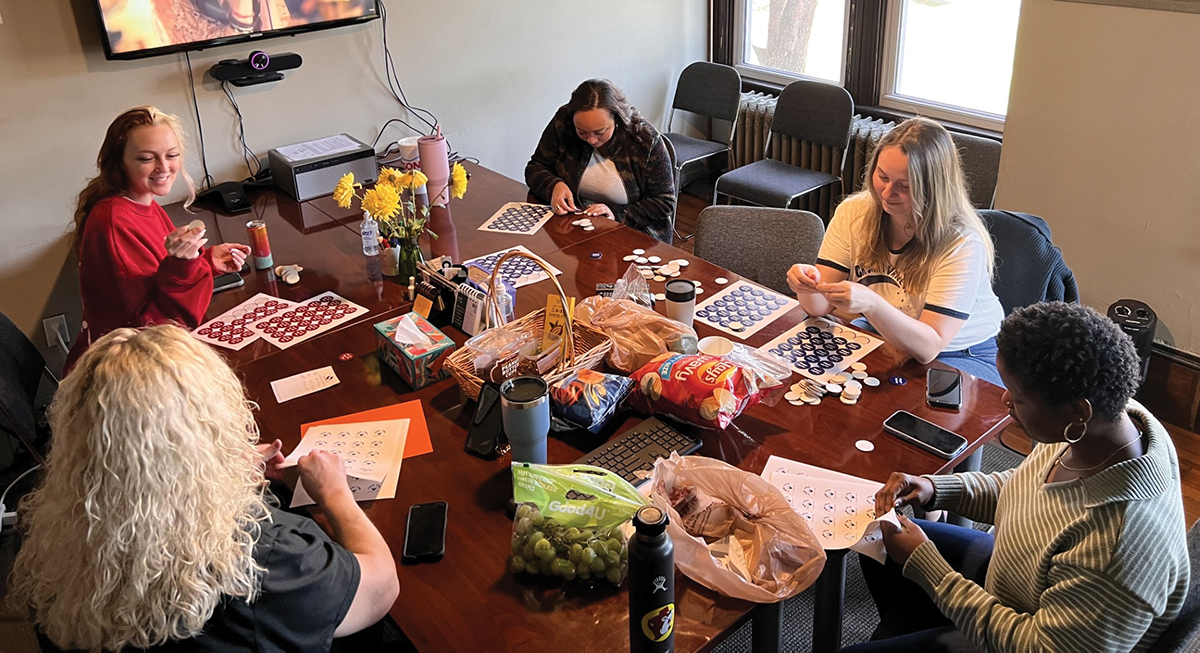
Brittani M., Karina A., Gabby S., Tracey M. and Heather Y-B participating in an Achieve WNC Giving Back project
By Emma Castleberry
Cierra McKendrick’s family—herself and her three children, aged 13, 10, and 8 months—recently graduated from the Family Centered Treatment & Recovery program at Achieve WNC, formerly known as the Sparc Foundation. The nonprofit provides intensive, trauma-informed services designed to help individuals and families overcome challenges, develop healthier relationships and build more stable futures.
“Achieve is literally the best thing we could have ever done,” McKendrick says.
McKendrick’s family began receiving services in November after her son’s counselor suggested the organization. When McKendrick entered treatment for substance use in January, the family was able to incorporate recovery support into its existing services.
Over the following months, the family met regularly with a counselor and received additional support from a peer specialist. The work required considerable time and commitment, particularly as McKendrick balanced employment, parenting and recovery.
McKendrick recalls that the family initially resisted changing familiar patterns of behavior, even when those patterns were contributing to conflict. With continued practice, however, their relationships began to improve.
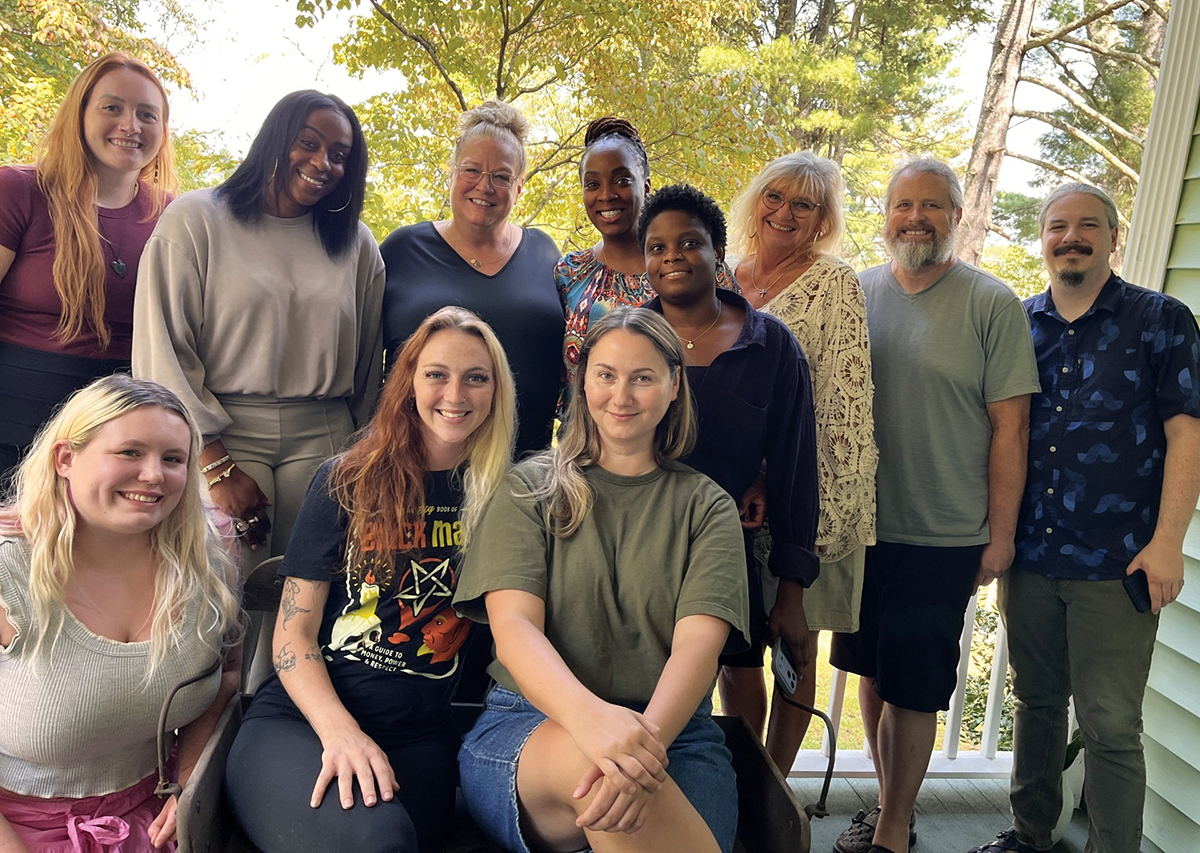
Achieve WNC’s Family Centered Treatment Recovery Team and operations director. Back, from left: Timber H., Brittany G., Tracey M., LaVie M., Carrie M., Jeff W., Danny C; middle: Gabby S.; front: Carly C., Heather Y-B., Karina A.
“It’s not perfect now, but I would say it’s 90 percent better than it was in the past,” McKendrick says. “It’s very time-consuming, but it’s also very worth it, and the best thing we’ve done for our family.”
Her family’s experience reflects the kind of progress Achieve WNC hopes to make possible throughout the region. Founded in 2015, the organization initially focused on reducing the number of children and adolescents placed in foster care, residential treatment facilities and group homes. Today, Achieve WNC operates three core programs: Family Centered Treatment & Recovery, Community Health Workers in Violence Prevention, and the Domestic Violence Intervention Program.
“While our programs may appear different on the surface, they are all connected by a common belief: people do better when they have the support, skills and relationships needed to thrive,” says Jackie Latek, executive director of Achieve WNC.
The organization serves individuals and families navigating challenges that may include substance use, domestic violence, economic hardship, unstable housing and involvement with social services or the criminal justice system. Many face overlapping obstacles that can make it difficult to access consistent support.
“Our approach is rooted in meeting people where they are and recognizing that behavior change does not happen in isolation,” Latek says. “People need practical support, healthy relationships and opportunities to build new skills and confidence.”
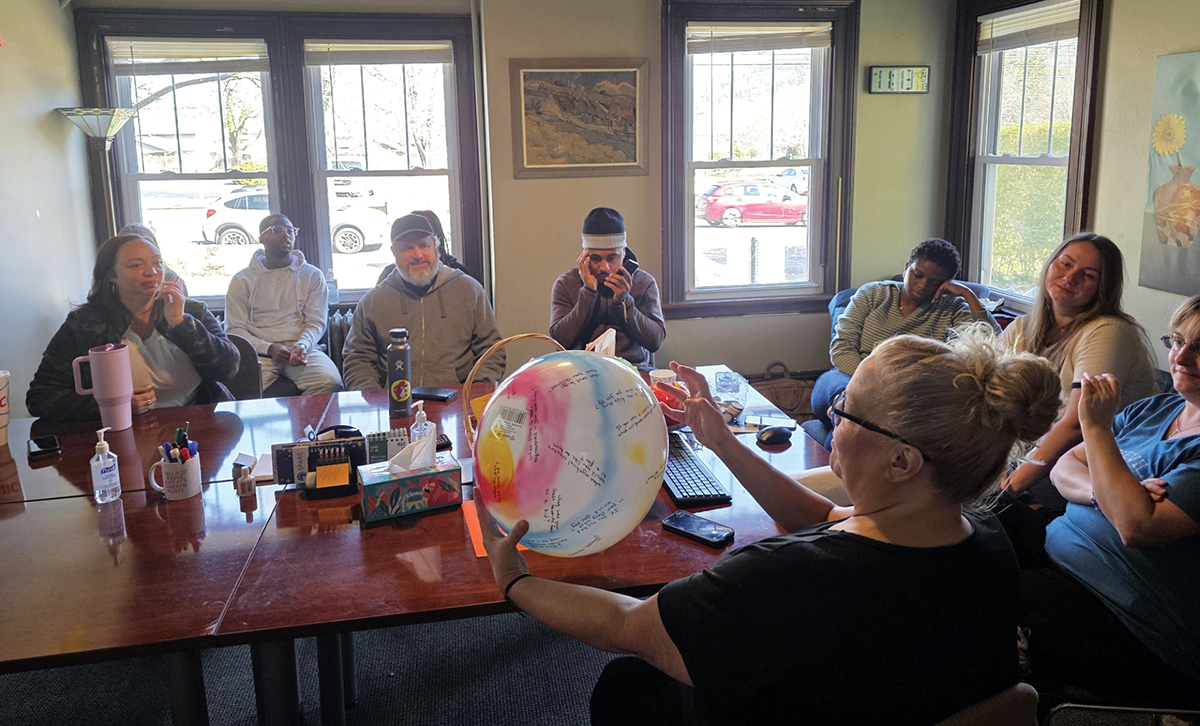
Achieve WNC team building. From left, Brittani M., Devin W., Jeff W., Timon S., Cabby S., Karina A.,
Tiffany B., Tracey M.
According to the organization, 81 percent of families participating in its Family Centered Treatment & Recovery program either remained safely together or were reunified following services. The Domestic Violence Intervention Program served 189 individuals, with 72 percent successfully completing the program. Through community health worker and violence prevention initiatives, Achieve WNC served another 121 individuals, 86 percent of whom demonstrated increased stability in areas including housing, employment, education and food security.
New partnerships are in the works to help Achieve WNC navigate a growing demand for services. A collaboration with the Henderson County Department of Social Services will provide support to parents experiencing substance misuse who have children ages 6 and younger. The organization also hopes to increase access to Family Centered Treatment in rural counties surrounding Buncombe.
“We know that early intervention is critical,” Latek says. “By supporting families when challenges first emerge, we can help strengthen parenting skills, improve family stability and reduce the likelihood of more serious interventions being needed later.”
Once skeptical of counseling, McKendrick has now referred three other families to Achieve WNC. For Latek, it’s stories like this that illustrate the mission’s importance.
“Ultimately, our work is rooted in hope,” Latek says. “We believe people are capable of growth, families can heal and communities can become stronger when we invest in the strengths and potential that already exist within them.”
Learn more at AchieveWNC.org.