
Stephanie Sipp, Illustrator
The author, conservationist and farmer Wendell Berry is one of America’s leading champions of small-scale, sustainable agriculture. For decades, his ambition has been to reclaim the best elements of the rural communities and values that have been in decline over the past several generations.
Although his wholesome ethics are rooted in agrarian tradition, Berry’s vision is not nostalgic. In more than 30 collections of essays published over decades, Berry maps out and refines a forward-looking environmental plan. He describes what it would take for Americans to turn away from corporate and industrial agriculture, from genetic engineering and pollutants and from our continued reliance on coal and oil.
He imagines a future of sustainable gardening and animal husbandry, and the flourishing of independent farmers working in concert with local manufacturers. He supports the development of appropriate technologies. He acknowledges that some political thinkers dismiss his vision as being out of touch with global realities, yet he is certain that a future dedicated to rural life and values is economically possible. What he is uncertain about, however, as he says in the essay “Conservationist and Agrarian,” is whether we will ultimately choose a healthier, more meaningful way of living.
The perennial themes of not only Berry’s essays, but also his fiction and poetry, include the importance of having a sense of place, the slow and local foods movements, crop diversity, community responsibility and land stewardship. He prefers hard manual labor to computer-age forms of leisure. He also sees the tensions between land conservation and land cultivation, but he believes we need both.
Born in 1934 into a family of farmers in Kentucky, Berry left home in the 1950s to be educated and to launch his writing and teaching career. He returned to KY with his wife and children in the 1960s to purchase the farm in Henry County where he still lives. His novels and stories are also set in rural KY, in the fictional town of Port William.
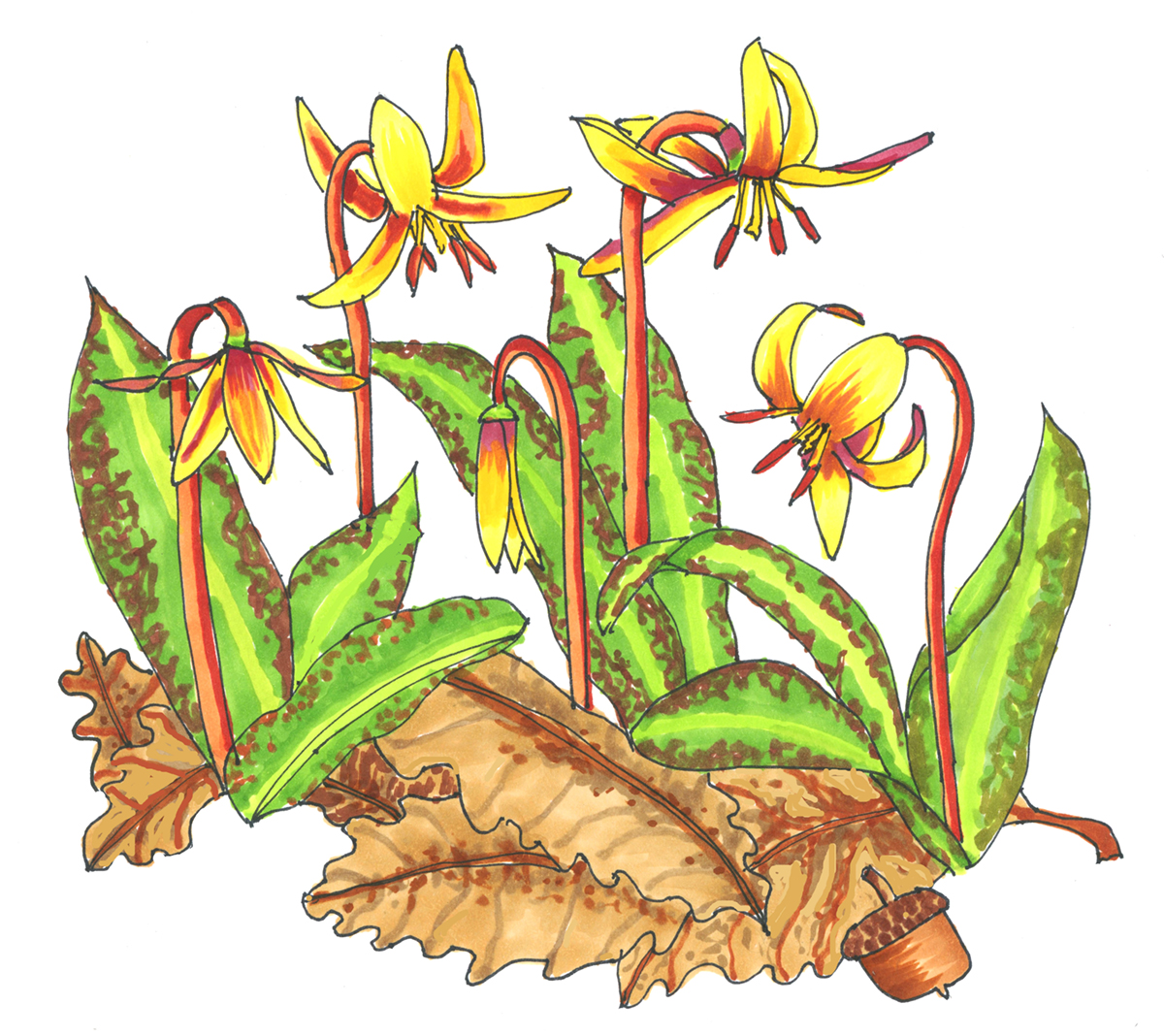
It is in his poetry, though, that readers most fully discover the sacred quality of Berry’s respect for the earth. In “The Lilies,” the “woodland” wildflowers that the speaker chances upon during his walk “amid the gray trunks of ancient trees” are proof of a life-giving earth. This miracle of nature, these simple blooms, cause him to take stock of his own practices at home on his farm: “Does my land have the health of this, where nothing falls but into life?” Is he a good enough steward of the land he tends?
In “Enriching the Earth,” Berry gracefully describes an approach to soil amendment that entails composting and sowing cover crops. These balanced practices lead his speaker to muse upon the spiritual joy he takes in the mysteries of soil replenishment: “To serve the earth, not knowing what I serve, gives a wideness and a delight to the air.” This meditation leads us to take comfort in knowing that, as we humans pass from this life, we nourish the planet: “willing or not, the body serves, entering the earth. And so what was heaviest and most mute is at last raised up into song.”
The essay “Conservationist and Agrarian” appears in Bringing it to the Table: On Farming and Food (2009). “The Lilies” and “Enriching the Earth” are part of the poetry collection Farming: A Hand Book (1970). Organic Growers School will screen the film Look and See: A Portrait of Wendell Berry on Sunday, April 22, in the second-floor boardroom at Lenoir-Rhyne University Asheville, 36 Montford Avenue. Doors open at 5:30 p.m. and the film begins promptly at 6:15 p.m. A panel discussion will follow. A donation at the door is requested. To learn more, visit organicgrowersschool.org.