By Emma Castleberry
For the Alliance for Beyond Land Acknowledgement (ABLA), recognizing that Western North Carolina residents occupy the ancestral lands of the Cherokee people is meant to be a beginning, not an end.
ABLA is a nonprofit organization that works to strengthen relationships with the Cherokee and other Indigenous peoples while encouraging individuals, faith communities and civic organizations to move from simple acknowledgement toward education, solidarity, justice and healing. Its vision includes greater recognition of Cherokee sovereignty and respect for generations of stewardship of ancestral lands.
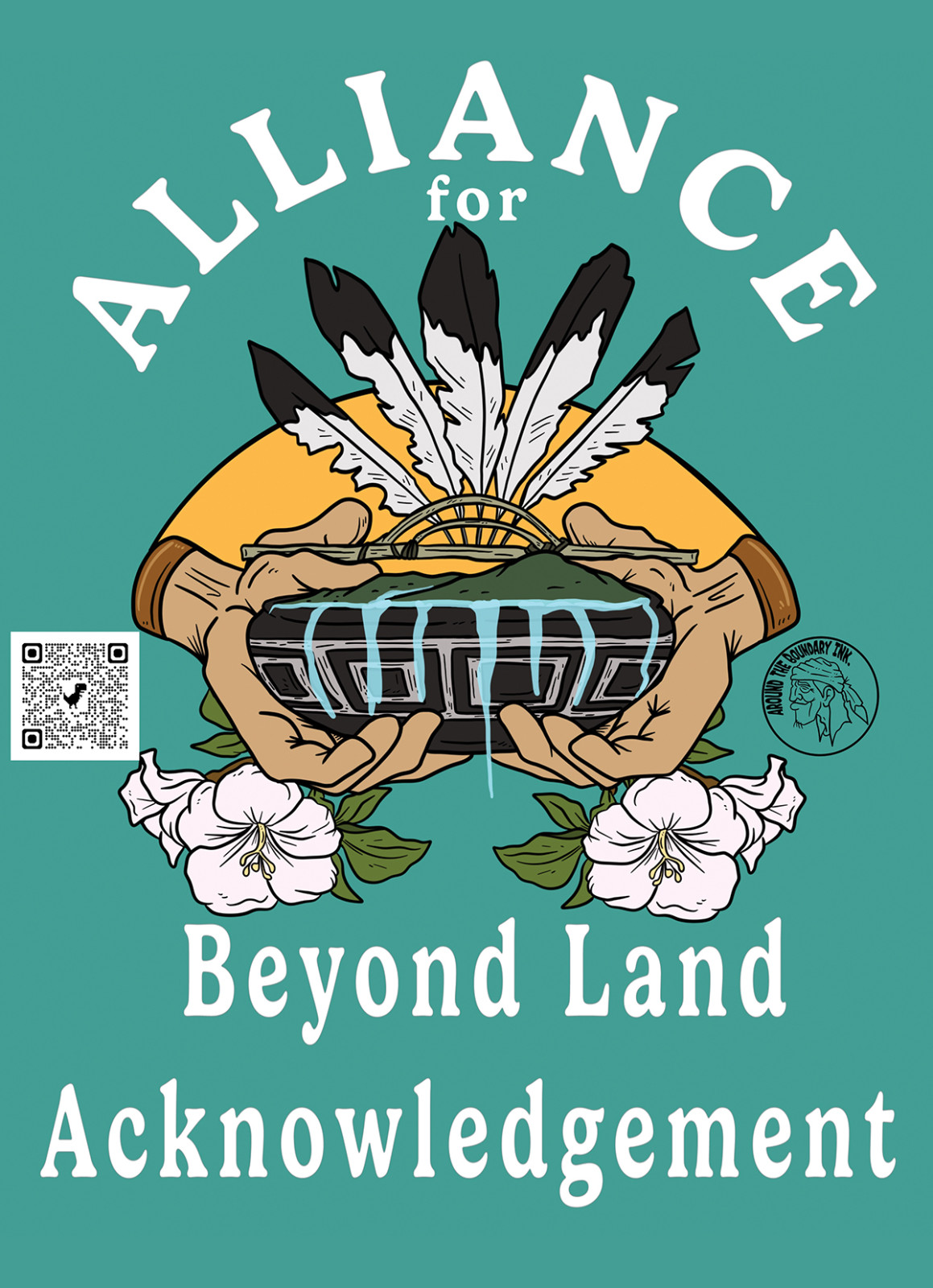
The organization grew from the “Beyond Land Acknowledgement: Toward Reparations and Healing” conference held at UNC Asheville in 2023.
“Acknowledging that we’re on stolen land is a good first step, but we hope folks understand that it’s just that: a first step and not all that’s needed,” says Pat Johnson, co-founder of ABLA. “ABLA hopes folks will have an ongoing curiosity about Native culture, spirituality and values and that they continuously strive to be strong allies. ABLA promotes working with Cherokees and other Native Peoples to develop relationships, healing from previous and ongoing harms, and walking together in a better way.”
Education is a significant part of that work. ABLA provides programs featuring speakers, films and other learning opportunities and maintains resources related to Indigenous history, culture and allyship. Members can also participate in trips to Cherokee and attend events organized by Native communities.
“Moving beyond mere acknowledgement means investing time and effort to learn how we got where we are, what advantages we accrued through the suffering and deprivation of other peoples, and what actions we can take to help stop the harm that is still going on and repair the harm that has accumulated historically,” says Steve Livingston, treasurer of ABLA. “We trust that these efforts will build understanding and solidarity, and that our collective aspiration for justice will lead to reparative actions and healing from our country’s original genocide, and interruption of the continuing oppression of the first peoples of this continent.”
As ABLA develops its work, its members are also conscious of the distinction between supporting Indigenous communities and attempting to speak on their behalf. The organization has Cherokee advisors and seeks input from members of the Eastern Band of Cherokee Indians (EBCI) while recognizing that no single person can represent an entire community.
“We humbly listen carefully to the Cherokee people and other Tribal Peoples so that we follow their lead rather than speaking what we think they would say,” Johnson says. “They must be involved in decisions, plans and actions.”
For O’Neill, learning how to be an ally has meant paying attention not only to what information is shared but also to who should be responsible for sharing it.
“Since becoming involved with this work, I have learned so much more than I knew before, especially about the Cherokee,” O’Neill says. “They are real people to me. I am honored to call some of them friends, and to be in the process of building respectful collaborative relationships. I have also learned more about how to be a better ally of Native People, especially to respect their wishes about how and what we share about them with the community.”
For people who want to begin developing a deeper understanding of Cherokee history and contemporary life, ABLA members suggest visiting and supporting the Museum of the Cherokee People, reading the Cherokee One Feather publication, attending public events in Cherokee, supporting Cherokee arts and learning about the Land Back movement.
“Getting to know Cherokee people can enrich our lives,” Arrendell says. “And each one of us has the opportunity to find in our hearts responsible and loving reparations for the harm that was done on our behalf by the forced taking of Native lands and life.”
ABLA is planning public programs this fall, including a screening of Our Spirits Don’t Speak English, a film about residential boarding schools, with EBCI speaker Patty Grant on Friday, September 18, from 5–7 p.m. in Black Mountain. A Saturday, October 10 program will feature Beau Carroll, lead archaeologist for the EBCI Tribal Historic Preservation Office.
For more information about ABLA, visit AllianceBeyondLandAcknowledgement.org or email allies4bla@gmail.com.