Brit Hensel. Photo by Taylor Hensel
By Gina Malone
A short film selection for this year’s Sundance Film Festival, ᎤᏕᏲᏅ (What They’ve Been Taught), was shot in the Qualla Boundary and in Cherokee Nation, Oklahoma, and has earned its director, Brit Hensel, honors as the first female citizen of the Cherokee Nation represented at Sundance. The 9-minute film is part of the larger Reciprocity Project: Season 1, which consists of six other Indigenous-made documentary short films that, in light of climate change, explore the relationship Indigenous people have with the planet.
Brit, known also for work on the FX series Reservation Dogs, now in its second season, began making films in 2017 when her sister Taylor Hensel, a producer for Reciprocity Project, put a camera in her hands. “She was going to film school at the time and I got the chance to learn from her while she was growing as a filmmaker,” says Brit, who worked with a team of independent artists from both the Eastern Band of Cherokee Indians and tribes in Oklahoma where she lives, including associate producer Keli Gonzales (Cherokee Nation). The film’s storyteller is Thomas Best, a Cherokee elder and first language speaker.
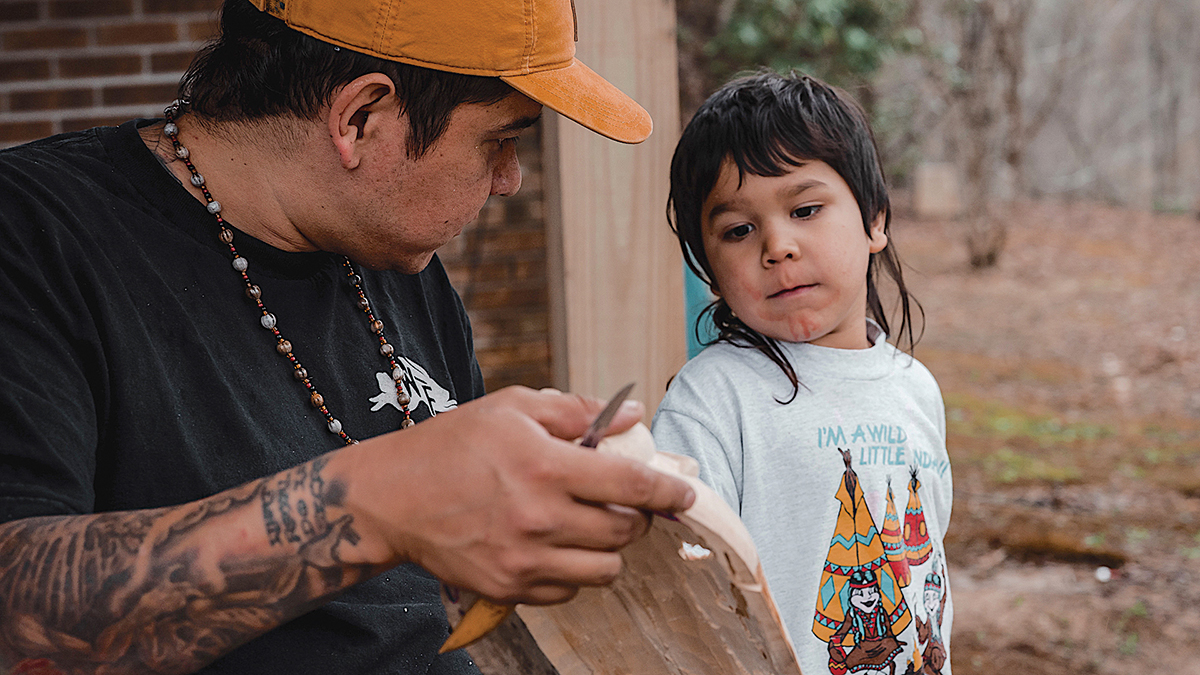
ᎤᏕᏲᏅ (What They’ve Been Taught). Photo by Taylor Hensel
“The Qualla Boundary is my traditional homelands,” Brit says. “It’s the place our stories say our people came from; it’s where my ancestors have lived since the beginning of time. I’ve spent a lot of time out there in that place. I love it more than anything. I leaned on my Eastern Band friends to help me and offer suggestions.” The Cherokee people shown in the film are all friends, she adds, and many of them are also artists who helped collaborate on the project.
ᎤᏕᏲᏅ (What They’ve Been Taught) aligns beautifully with the mission of Reciprocity Project, Taylor says, “because through this film we learn that reciprocity is an action; there is no single word for reciprocity in the Cherokee language. More so, it is an inseparable part of the way we as Cherokee people are taught to live.”
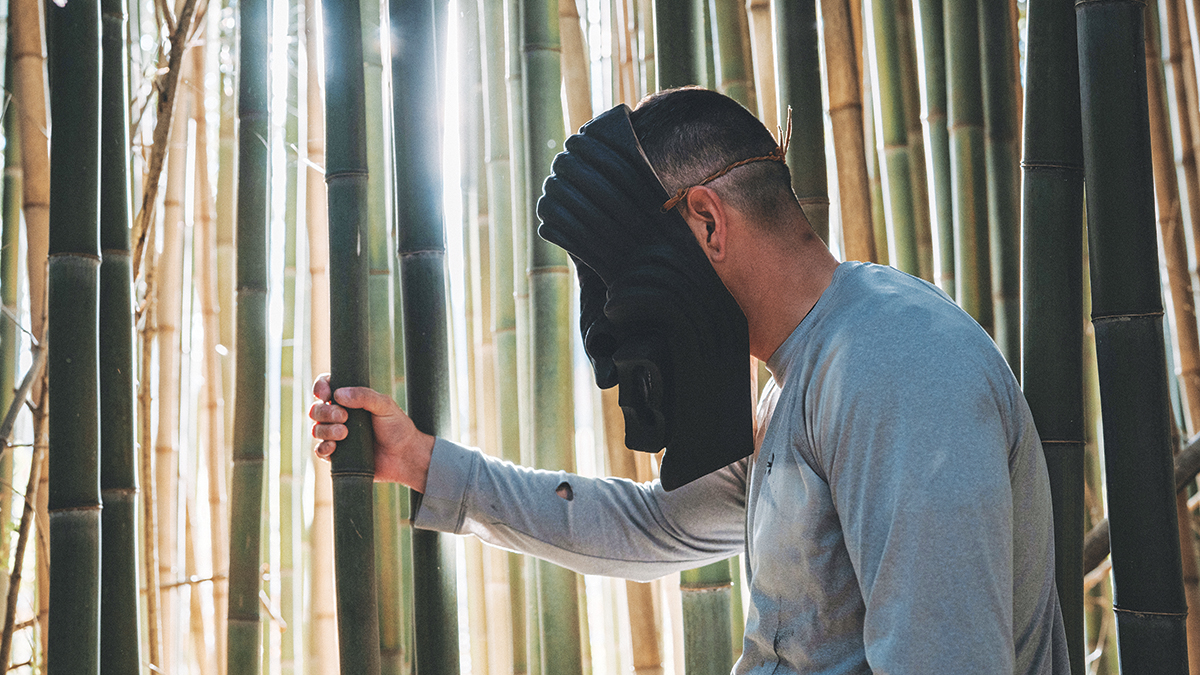
ᎤᏕᏲᏅ (What They’ve Been Taught). Photo courtesy of Reciprocity Project
The seven films of Reciprocity Project, though created individually, act as one collective unit and Brit urges viewers of her film to watch the other six productions, all of which are available on the Reciprocity Project website. “Reciprocity Project is an invitation to all who watch it,” Taylor says. “It offers the opportunity to reframe our understanding and relationship to one another and to the earth based on Indigenous values.” The films showcase the value systems that have always been a way of life for Indigenous people, Taylor adds, and she hopes that people visit the website to watch the films and “to ask themselves how reciprocity might be present or absent in their lives and to make positive and hopeful changes.”
Brit says that she learned a great deal about trusting herself through this filmmaking process. “I am only one Cherokee person with my own lived experience,” she says. “I can’t represent and speak for us all. However, I do have things to say and share as an artist. I wanted this film to make Cherokee people feel seen, loved and proud.”
The Reciprocity Project, in production for a second season, is co-produced by nonprofits Nia Tero and Upstander Project in association with REI Co-op Studios. The US-based production team works alongside Indigenous storytellers and communities worldwide with the aim through film, podcasts and other creative mediums of creating a paradigm shift that reframes relationships to the Earth, to other living beings and to one another.
To learn more and to watch the films, visit Reciprocity.org.