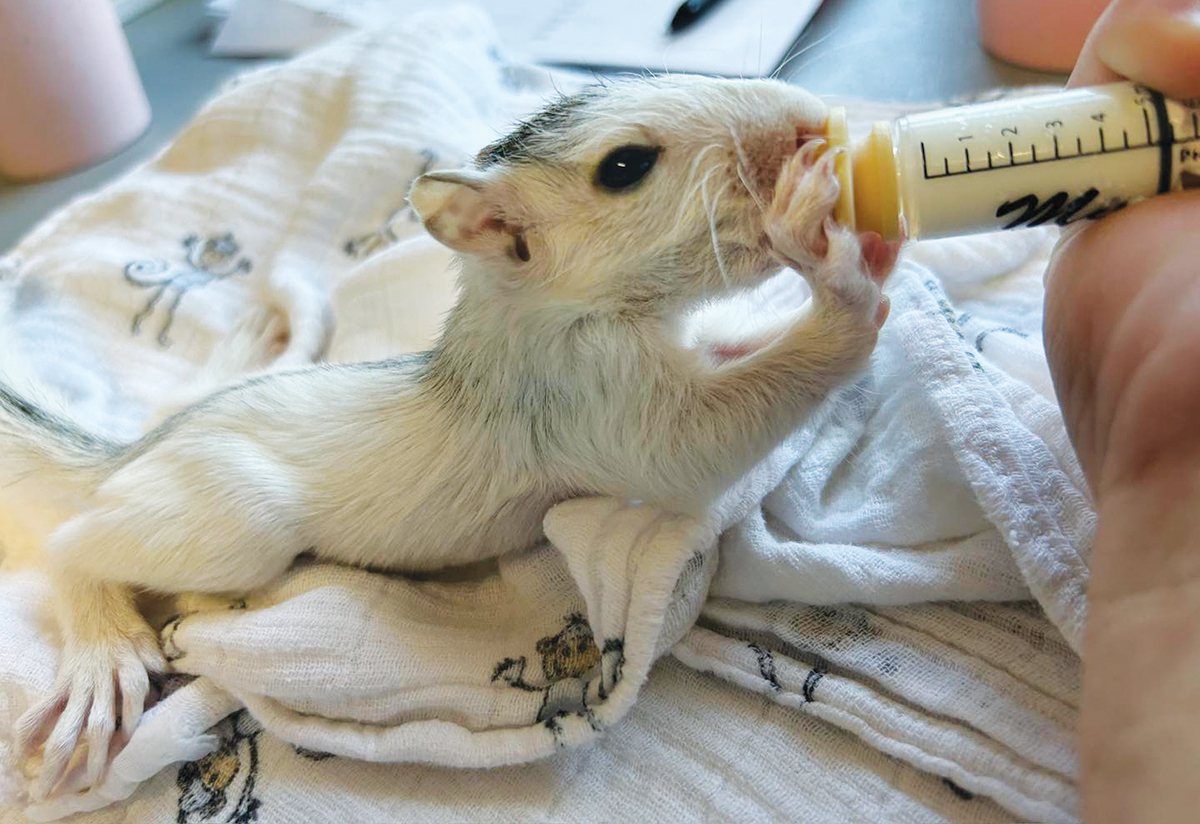
Photo courtesy of Appalachian Wildlife Refuge
By Paula Musto
Nixon was president. The Vietnam War was raging. And there was virtually no environmental regulation in the US. The first Earth Day, held April 22, 1970, brought together a handful of activists sounding an alarm for environmental advocacy. Today, this annual celebration may be more important than ever.
Earth Day—a small movement long before climate change became part of our lexicon—has evolved into a global, month-long celebration each April. But after nearly half a century, the mission remains the same, serving as a reminder that the health of our planet affects every living being, from the water we drink to the air we breathe.
Earth Day is a good time to renew our commitment to the basics: recycling, minimizing plastics and simply consuming less. We can avoid harmful pesticides, plant native species and make our yards more wildlife-friendly by leaving portions in a natural state. But, perhaps, the most meaningful contribution is giving of ourselves. Spring is an ideal time to become involved in one of the many organizations dedicated to the environment, sustainability and wildlife protection. Here in Asheville, environmentally focused groups are always eager to welcome new volunteers.
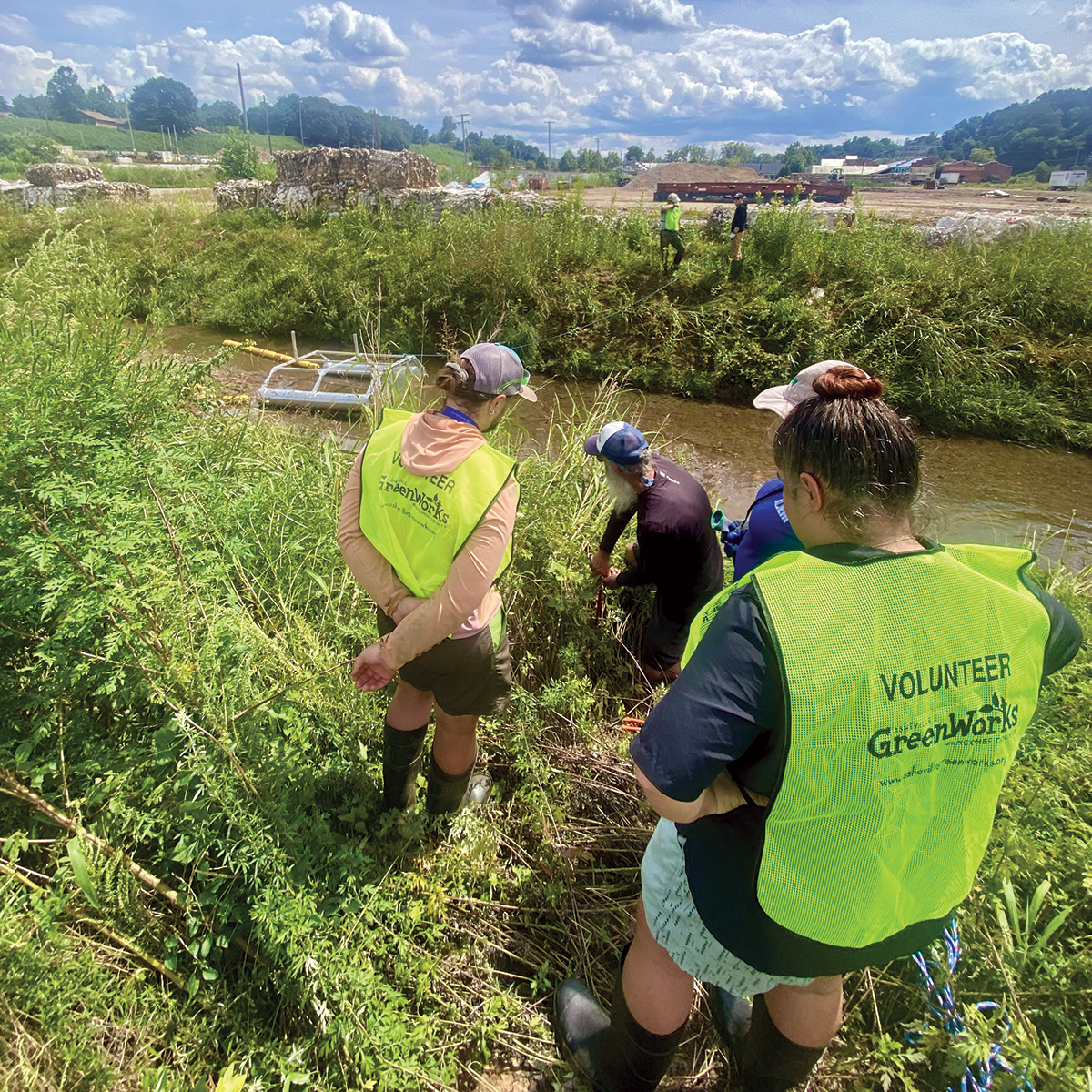
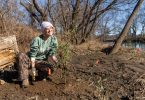
GreenWorks volunteers at the Trash Trout in Nasty Branch
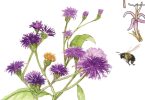
“Volunteers are the heart of our gardens and programs,” says Kelly Smith, volunteer coordinator for the North Carolina Arboretum. Each year, more than 300 of these dedicated folks perform tasks ranging from pulling weeds and tending flower beds to operating the garden’s miniature train and staffing plant sales. Volunteers come from all walks of life—no special skills needed—but share a common love for nature. If that’s you, visit NCArboretum.org.
“The Arboretum’s mission is to cultivate connections between people and plants,” Smith says. “Our volunteers contribute their time, talents, enthusiasm and energy to make a positive impact on the environment.”
Brenna Tull, volunteer coordinator for the WNC Nature Center, echoes these words. “Volunteers play a crucial role in helping us educate and connect people with the wildlife in our region,” Tull says. A 60-member team helps with animal care, preparing meals and maintaining habitats, while others interact with visitors and assist with operations. Many volunteers are retirees from varied backgrounds, but all share a similar motivation: a love of animals. Learn more at WildWNC.org.
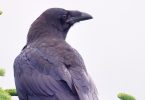
If animal welfare is your passion, consider Appalachian Wildlife Refuge. The nonprofit cares for injured and orphaned wildlife at its Candler rehabilitation facility where volunteers help feed hungry critters including birds, reptiles and small mammals. Volunteers staff a hotline taking calls from people who have found an animal that might need help and, when necessary, volunteer drivers provide transit to the rehabilitation facility. Trained volunteers also participate in outreach events that allow the public to interact with ambassador animals.
As the only wildlife rehab center of its kind in the Asheville area, Appalachian Wild is always a whirlwind of activity and open to new volunteers. Spring, baby season in the wild, is an especially busy time. To help out, visit AppalachianWild.org.
For more than 50 years, Asheville GreenWorks has been cleaning up waterways, restoring our tree canopy and disposing of waste material that litters our open spaces. With a paid staff of only seven, GreenWorks relies heavily on volunteers, and Hurricane Helene recovery has underscored their importance, according to watershed outreach coordinator Micah Azalea.
Trash removal from storm-flooded waterways continues to be a priority. Volunteers have hauled tons of debris from the French Broad River and nearby creeks, but large amounts remain. This month, GreenWorks is re-introducing Hoppy Water Wednesdays, inviting volunteers to join cleanup teams when local breweries are on hand for post-work refreshments. Work a little, then party a little, all for a good cause. Visit AshevilleGreenWorks.org for information.
MountainTrue volunteers make a difference in countless ways, says Amy Finkler, development and engagement manager of the nonprofit that has programs protecting our region’s forest and water resources. Volunteers are especially needed during the warmer months when many projects kick off. Beginning each May, MountainTrue volunteers collect weekly water samples from local rivers and creeks to test for pollution. The data is compiled to identify areas safe for swimming and to track sources of contamination. Find opportunities at MountainTrue.org.
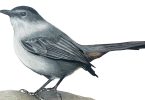
You don’t have to be an experienced birder to volunteer with the Blue Ridge Chapter of the National Audubon Society, which maintains the Beaver Lake Bird Sanctuary. The chapter has no paid staff and depends on volunteers committed to supporting wildlife conservation. The unpaid workers organize Audubon events and advocacy efforts on behalf of bird populations that are in decline.
For those just learning about birding, Barbara Reynolds, a chapter board member, suggests participating in eBird, a citizen science project created by Cornell University’s Lab of Ornithology, that allows even novices to track birds via an app or through the website. The information is used for avian research by conservation groups around the world. Migratory birds begin arriving back in Asheville this month, so it’s an excellent time to support our feathered friends. For more information visit, BlueRidgeAudubon.org.
These are just a few of the worthy eco-friendly organizations in our community. For young people, there are volunteer opportunities tailored to their interests and school schedules. The Nature Center offers a Young Naturalist program for ages 13–18. High-schoolers can join EXPLOREcorps, the Arboretum’s youth engagement program that includes horticulture and field biology projects. Appalachian Wild offers summer internships.
For more than half a century, people around the world have celebrated Mother Earth on April 22. This year, consider volunteering, as your way to make an impact year-round. As MountainTrue’s Amy Finkler puts it: “You’re not just giving your time—you’re building connections, sharing purpose and making a visible difference.”
Paula Musto is a writer and volunteer for Appalachian Wildlife Refuge.