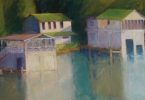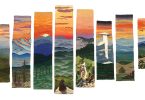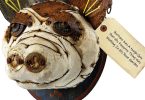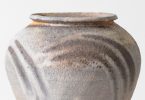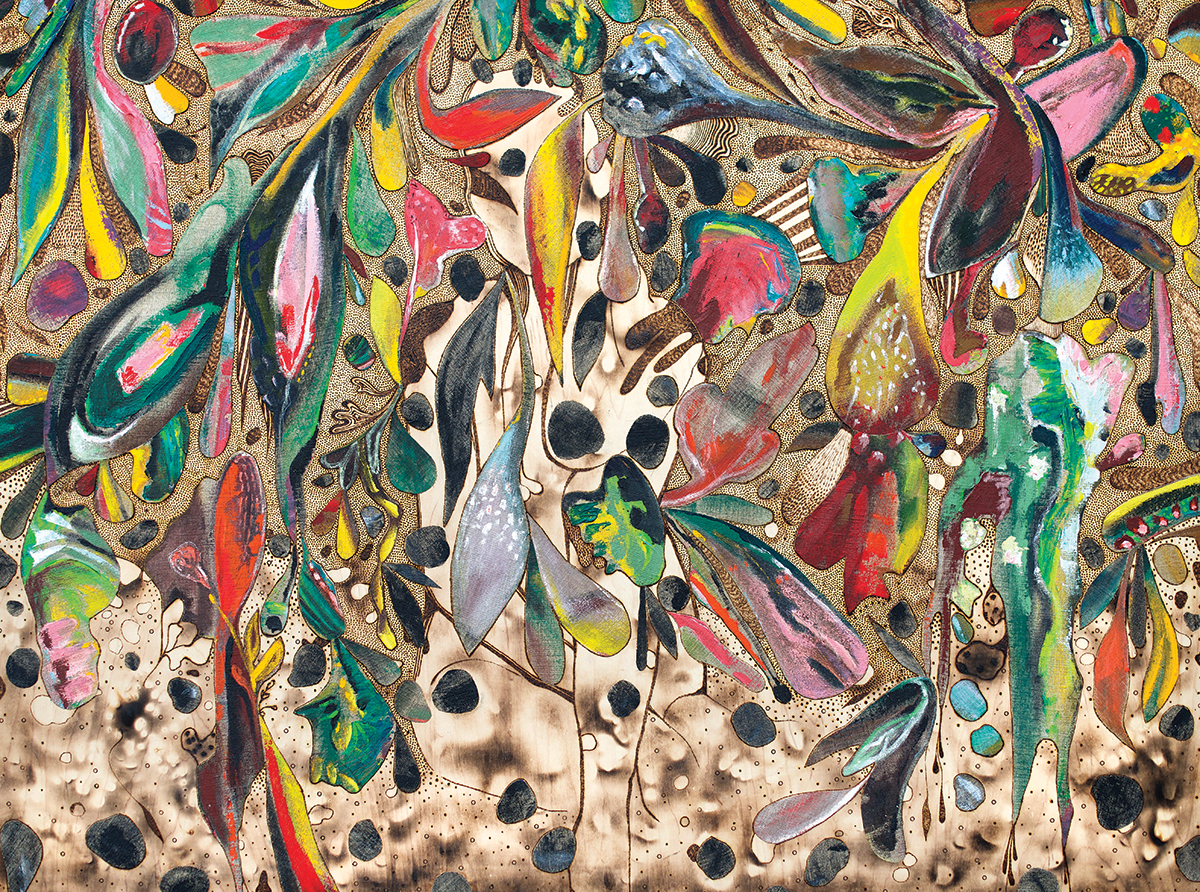
Hidden Place. Nabil El Jaouhari, artist
By Gina Malone
Nabil El Jaouhari grew up, the youngest of eight children, in Lebanon with the sounds of civil war all around him and the uncertainty of having to move multiple times and, sometimes, sleep in bunkers. The experience overshadowed his childhood, he says.
“My father was the first artist I got to know and be inspired by,” Nabil says. He was a rattan and wicker furniture maker and encouraged his son to be creative. “I got to experience post-war Beirut in the early ‘90s, where life was rushing in with amazing music and cinema and culture and art.” He attended Lebanese University and, in 2009, applied to MFA programs in the US, deciding on the University of Missouri. During his years there, his studies focused on work related to personal history, sexuality, revealment and concealment. His thesis centered on the story of Narcissus and Echo. “Because they both failed to fulfill their biological destiny and social expectations, they were punished into emasculation, and Echo became a pattern of the voice of someone else,” he says. He was intrigued by trying to create visual representation of complex subject matter. “I was leaning on the history of floral paintings and mythology and all the allegories that they contained,” Nabil says.
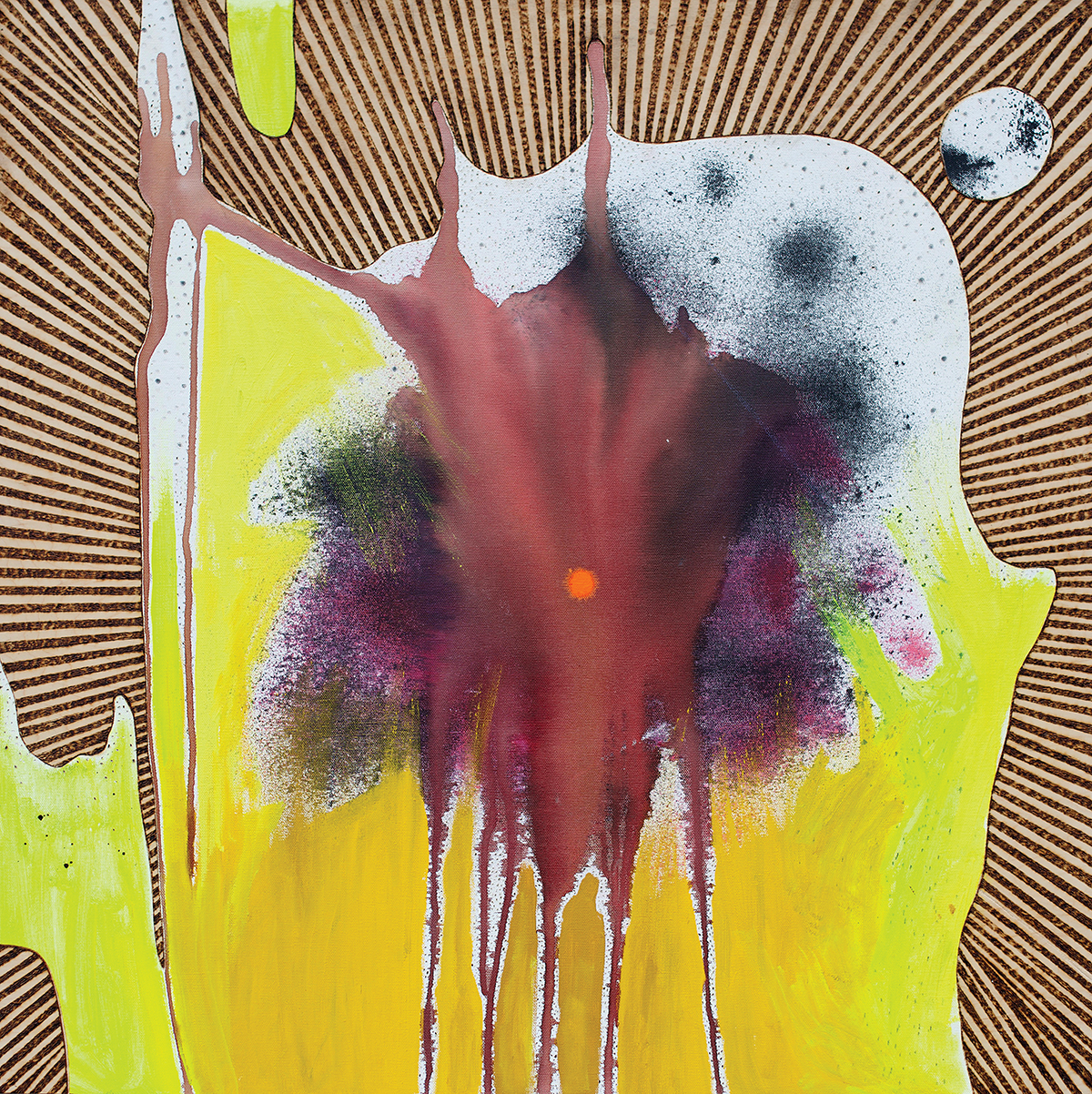
The Source. Nabil El Jaouhari, artist
Afterwards, he moved to Michigan to work for sculptor Brett Gill, who had been one of his professors. “I became his studio assistant and mold maker,” says Nabil. “I worked on very expensive bronze sculptures that mainly went in public places.”
During this time he was not spending much time painting. “But I went back home to Lebanon to visit my mom and realized that she kept all of my studies from my undergrad years, which were mainly unfinished oil paintings,” he says. “So I ended up cutting them off the stretchers and bringing them with me to the States where I started collaging with them and using woodburning at the same time. I think the early work, at its core, was about the memory and displacement, which is something that as an immigrant you get haunted by.”
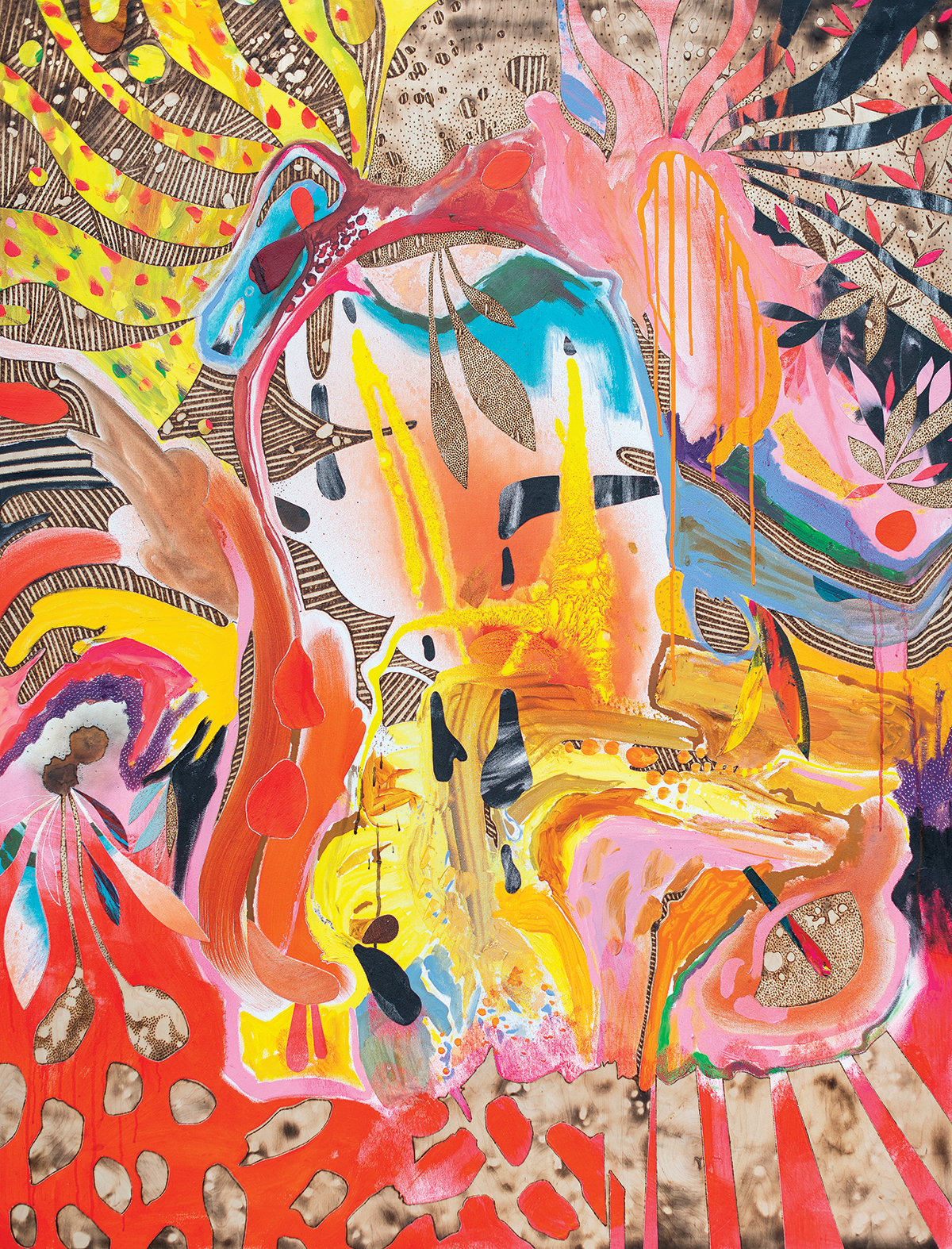
Lava. Nabil El Jaouhari, artist
He was cutting up paintings that were representational and turning them into non-representational brushstrokes forced into a form or shape and then collaging them with other pieces that came from other paintings. “This form of deconstruction and reconstruction allowed me to explore ideas of memory and displacement,” he says. In this unique process, he finds motifs of impermanence versus permanence. “And the woodburning came as an idea of something that is burned in our memory,” he says, “or something that is permanent versus these pieces of canvas that I’m removing and putting back together.”
Nabil had his first solo show, Nar (meaning “fire” in Arabic) in April at the Mark Bettis Studio/Gallery in the River Arts District. “Nabil is a creative force!” says Bettis. “His artwork is so unique and the imagery and detail that he puts into a piece makes you want to stare at it forever.”
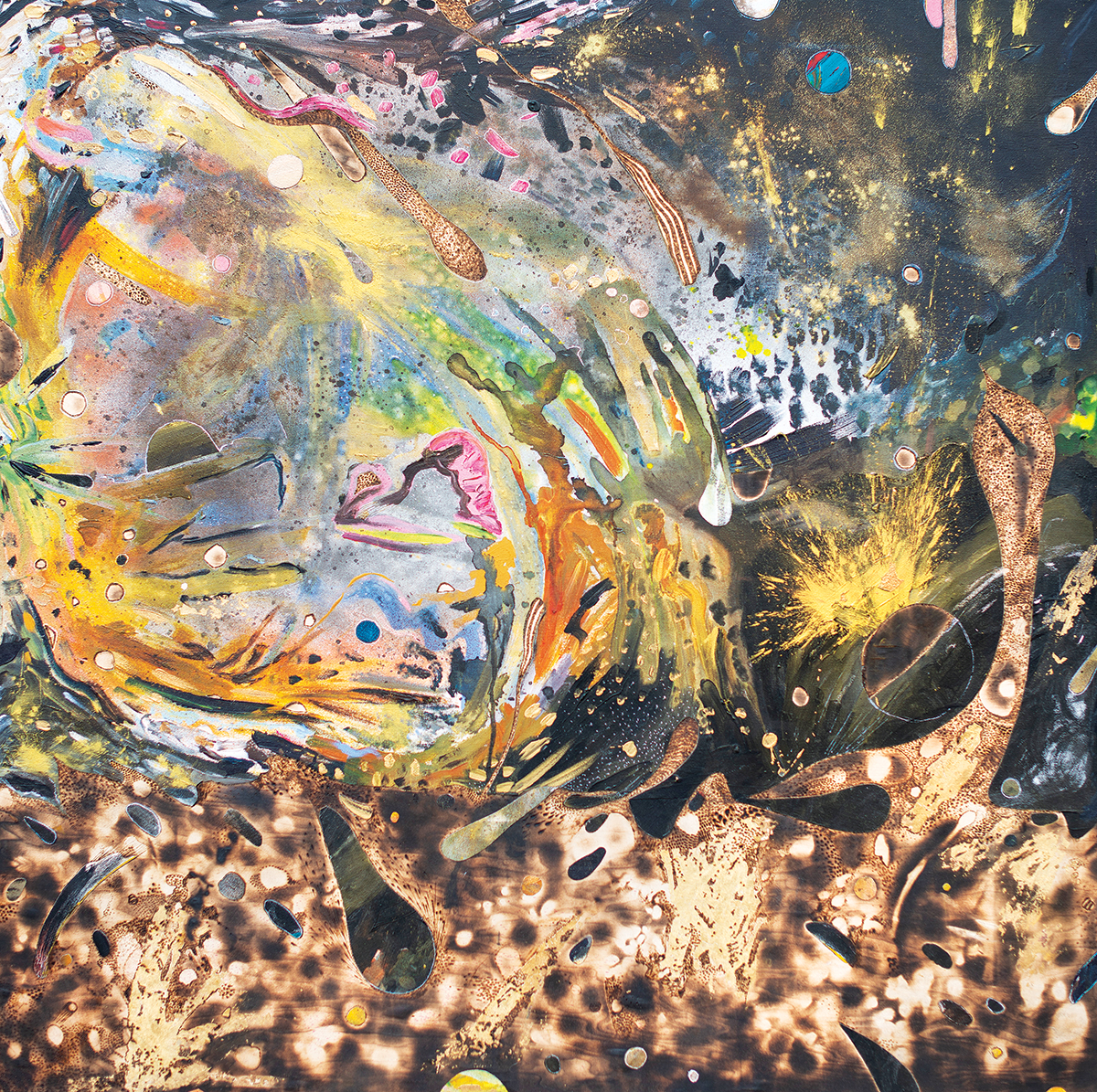
Cosmic Fire. Nabil El Jaouhari, artist
Nabil created work for the exhibit with his process contributing to the theme. “The work mainly revolved around ideas of fire, conceptually and literally, since I use fire to make my work,” he says. “So I had paintings that explored ideas of passion and war, but I also had lava and friendly fire and volcanoes.”
His latest body of work revisits some of the ideas and techniques he explored during his graduate studies, including floral paintings from the 16th century. “I started painting using Japanese gouache on raw linen, then cutting that up, reassembling it on a panel and combining it with my torch work and woodburning,” he says. “My work is vivid visually and conceptually. I love to be able to make the viewer fall in love with the surface and then learn so much more about ideas and concepts and allegories that I hid in the painting.”
Nabil El Jaouhari’s work may be found at both the Mark Bettis Studio/Gallery at 123 Roberts Street in the River Arts District, and the Mark Bettis Gallery at 15 Broadway in downtown Asheville. To learn more, visit MarkBettisGallery.com.