Partner Project with Bounty & Soul
By Emma Castleberry
The destruction of Hurricane Helene in Western North Carolina prompted filmmaker Keresey Pearl and her partner Briana Pond to take action. “We knew we wanted to put good media out about what was happening in the community because we saw a lot of media coming out of this region that wasn’t accurate or authentic,” Pearl says. What began as a project documenting recovery efforts quickly drew in collaborators and evolved into something much larger: a woman-led nonprofit with a mission to support regional resilience through storytelling, strategy and systems-building.
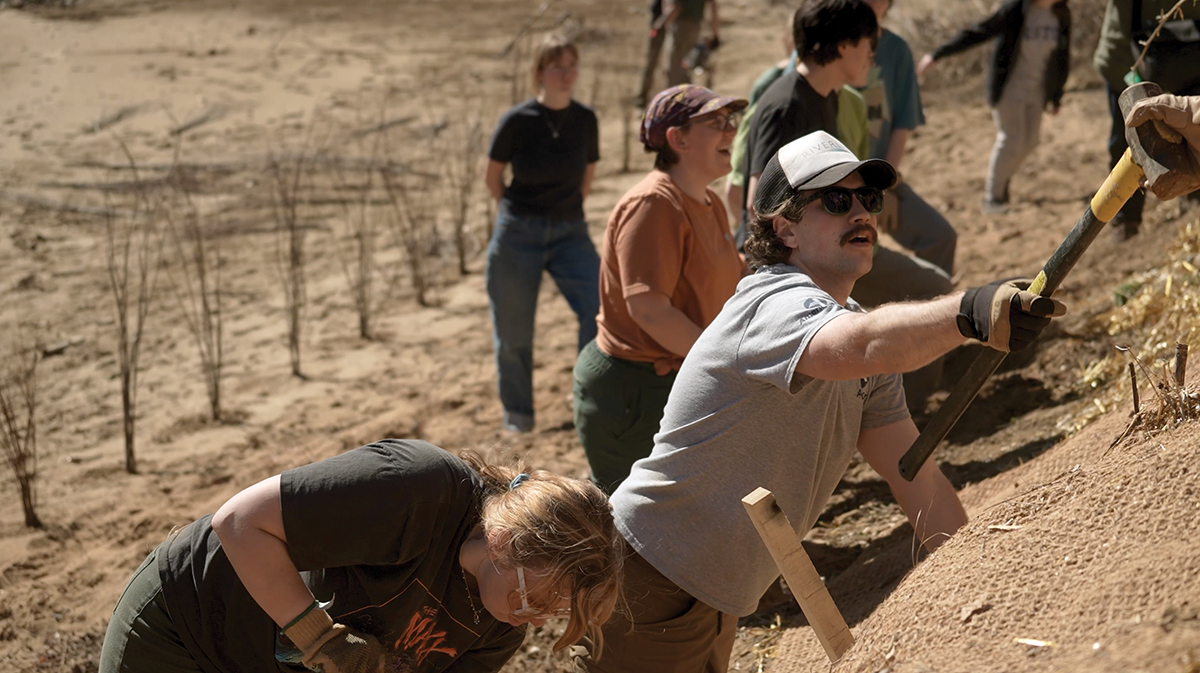
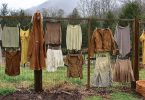
River Clean-up Crew
Blueprint for Impact was co-founded by Pearl and Pond in partnership with Jennifer Germaine and Sarah Watkins. “We describe ourselves as a for-impact organization, because we believe it’s time to move beyond traditional non-profit models that often carry stigma or limitations,” says Pearl. “Our aim is to develop a finance model that blends sponsorship, donation and values-aligned investment—generating profit without being extractive to people or the planet.”
That model supports three pillars—collaborate, finance, amplify—and its results can be seen in four areas of return: inspirational, sociological, ecological and financial. “We know that we need to make money and create capital in order to move things in this world that we live in,” says Pearl. “We want people to understand that money can be a tool for good—when it’s used to build regenerative systems rather than just generate more money.”
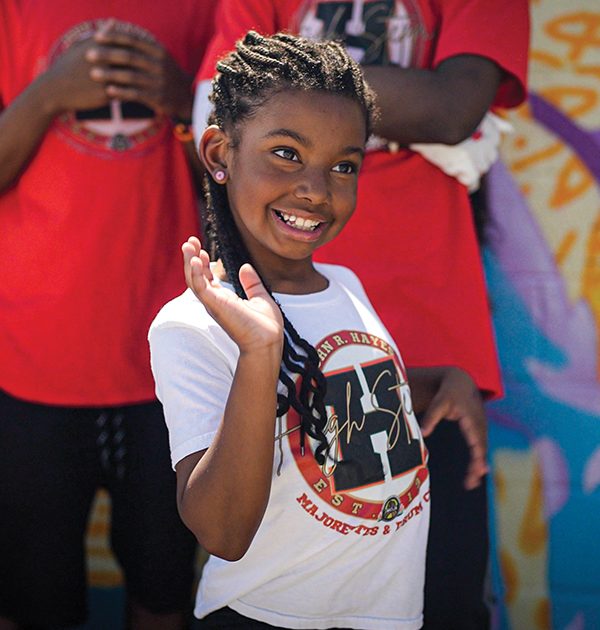
Ribbon cutting for the Mural at the Black Heritage Trail
The Blueprint for Impact team began facilitating conversations among organizations and individuals already doing vital recovery work. “The thing that we kept hearing over and over again from people is that there’s a lot of people doing a lot of great things, they’re just doing it in silos,” Pearl says. “So they said, if you guys can be the connectors to connect all the leadership groups … then that would be a major piece.”
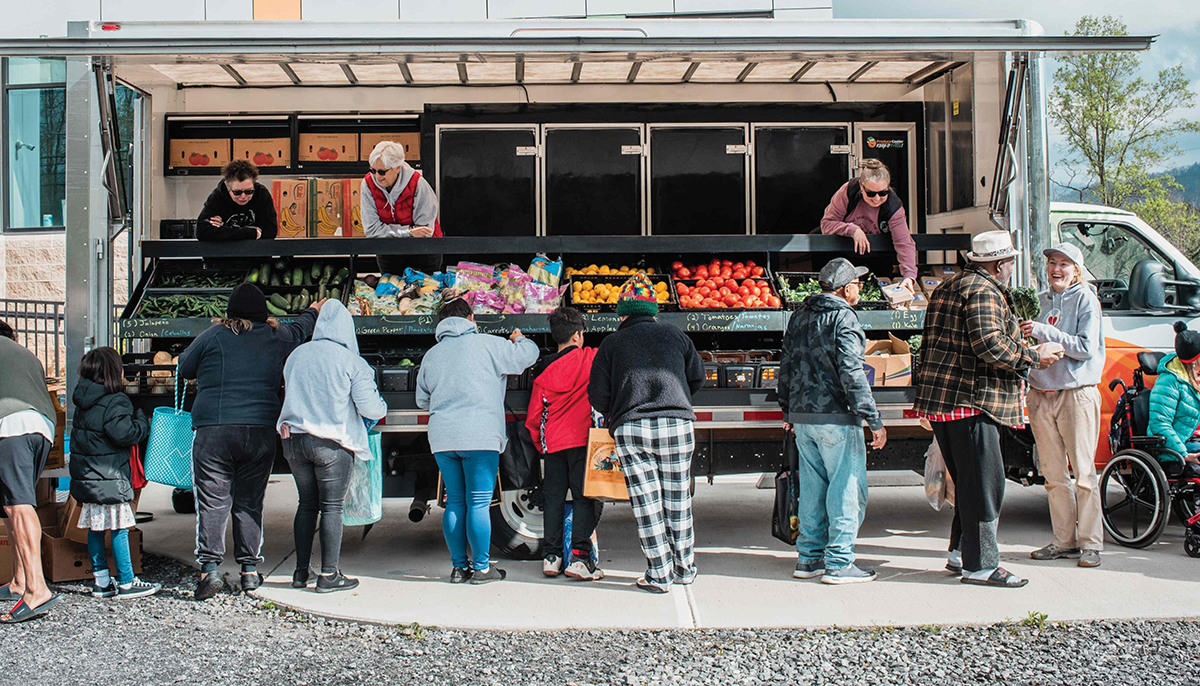
They started having conversations, listening and connecting, which resulted in a number of flagship projects for the initiative. One such project is a partnership with Bounty & Soul, a food justice nonprofit that distributes fresh food to tens of thousands each month. Another emerging project involves using downed timber to make biochar, addressing both wildfire risk and soil degradation. “Bri [Pond] has a really extensive background in permaculture,” says Pearl. “She was saying from the very beginning we should be using these [downed] trees and creating biochar from them to be able to nurture the soils.”
This idea grew into a collaboration between the National Forest Foundation and the Institute for Integrated Regenerative Design led by Alan Booker. “Our strength is in collaboration—we brought together people who know how to make this happen and are already doing the work on the ground,” says Pearl.
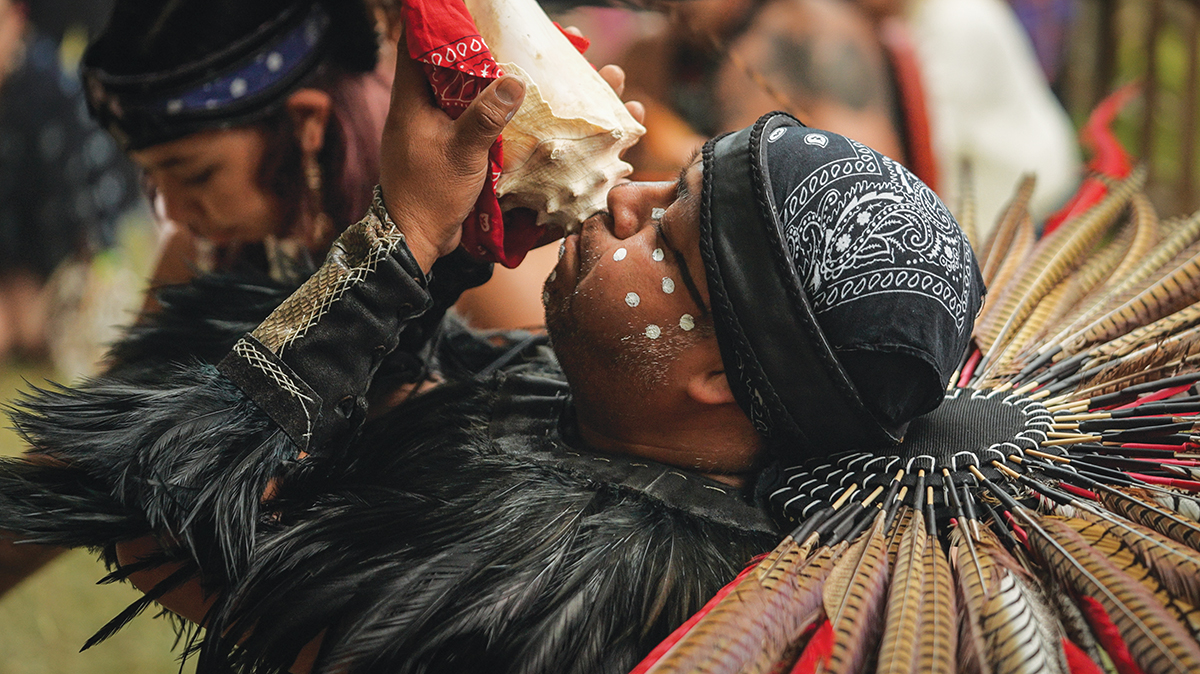
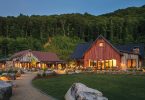
LEAF Retreat Festival
Blueprint’s support doesn’t just involve strategy—it’s also media and messaging. “One of the biggest things that [existing organizations] need is media,” Pearl says. “We’re going to be able to create media for all these organizations and take it on tour.” The regional and national tour will serve as a fundraising and awareness tool, supported by a documentary that doubles as the organization’s annual impact report. “We are expecting this to be released in the spring,” says Pearl.
Though rooted in WNC, the initiative has broader ambitions. “We really wanted to design something that we can pilot here and get it really refined … and then take it to [other places] and scale it up or down depending upon what they need,” Pearl says.
Helene may have been the catalyst, but the mission extends beyond disaster response. “We recognize this world that we live in, this time that we live in—it’s calling for some people to be examples of what we want to see more of in the world,” Pearl says. “We’ve done [this work] because we’re so passionate about caring for people and really being able to showcase how we can do it.”
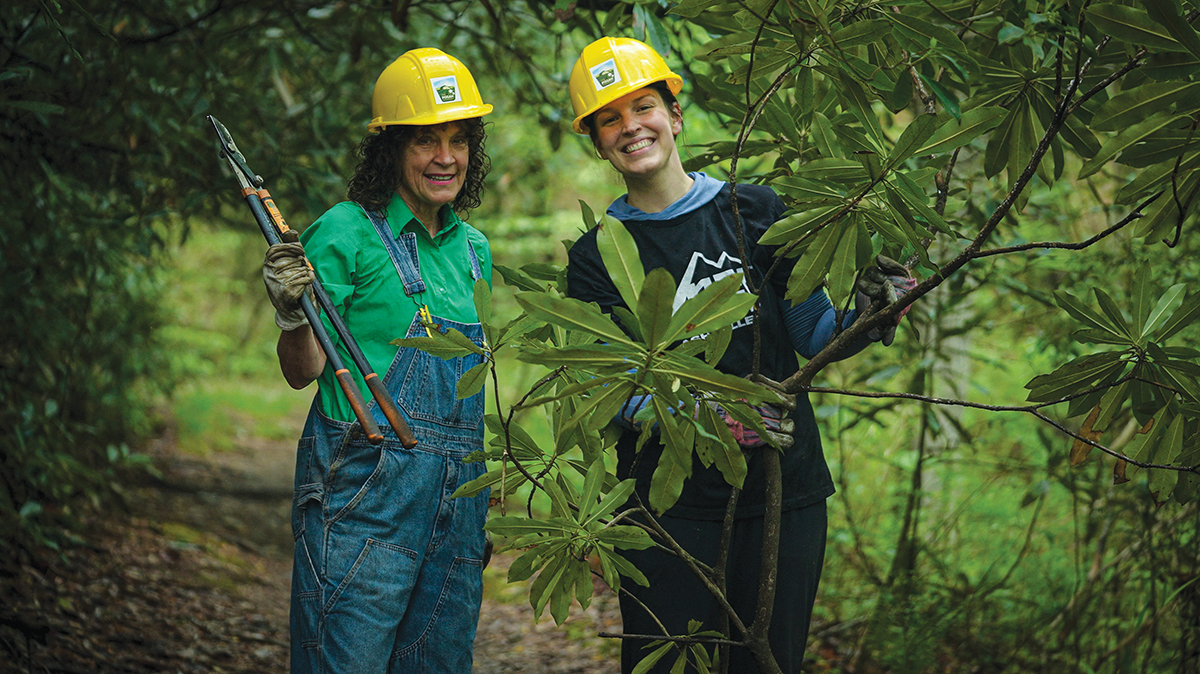
Pisgah Project Day Cleanup
For now, the team is primarily seeking initial funding to support staff and media production. “We’re seeking connections and networks that can help open doors to funding opportunities and media partnerships, both to support our team and to bring these impactful projects to life,” says Pearl. “With this support, we can continue developing and scaling this framework to serve communities for generations to come.”
Blueprint for Impact may be a young organization, but its model is already resonating. “Each one of our projects is touching a vital piece of the community that helps make up a whole, thriving ecosystem, and it happened very organically,” Pearl says. “We could be a beacon for the country [showing] how communities do come together after something like this—and showcasing that hope and that inspiration to people.”
Learn more at BlueprintforImpact.earth.