The Grapevine
By Elspeth Brown
Years ago when I would try to sneak in a rosé for Maggie B’s Friday night wine tastings, it never failed: no one would try it. As hard as I tried to convince people that rosé is dry, crisp and refreshing, they would have flashbacks to syrupy sweet, hot pink-colored wine like Mateus. I couldn’t find any converts until a couple of years ago when the tides began to turn. Consumers started to ask, no coercion needed, to purchase rosé wines. Whether due to celebrities or the Hampton elite bringing rosé into the limelight, it has boomed. In 2016, Chateau d’Esclans Whispering Angel Rosé jumped in production from 10,000 cases to 360,000, with 200,000 cases sold in the U.S. Today, I can’t keep the bottles on the shelf!
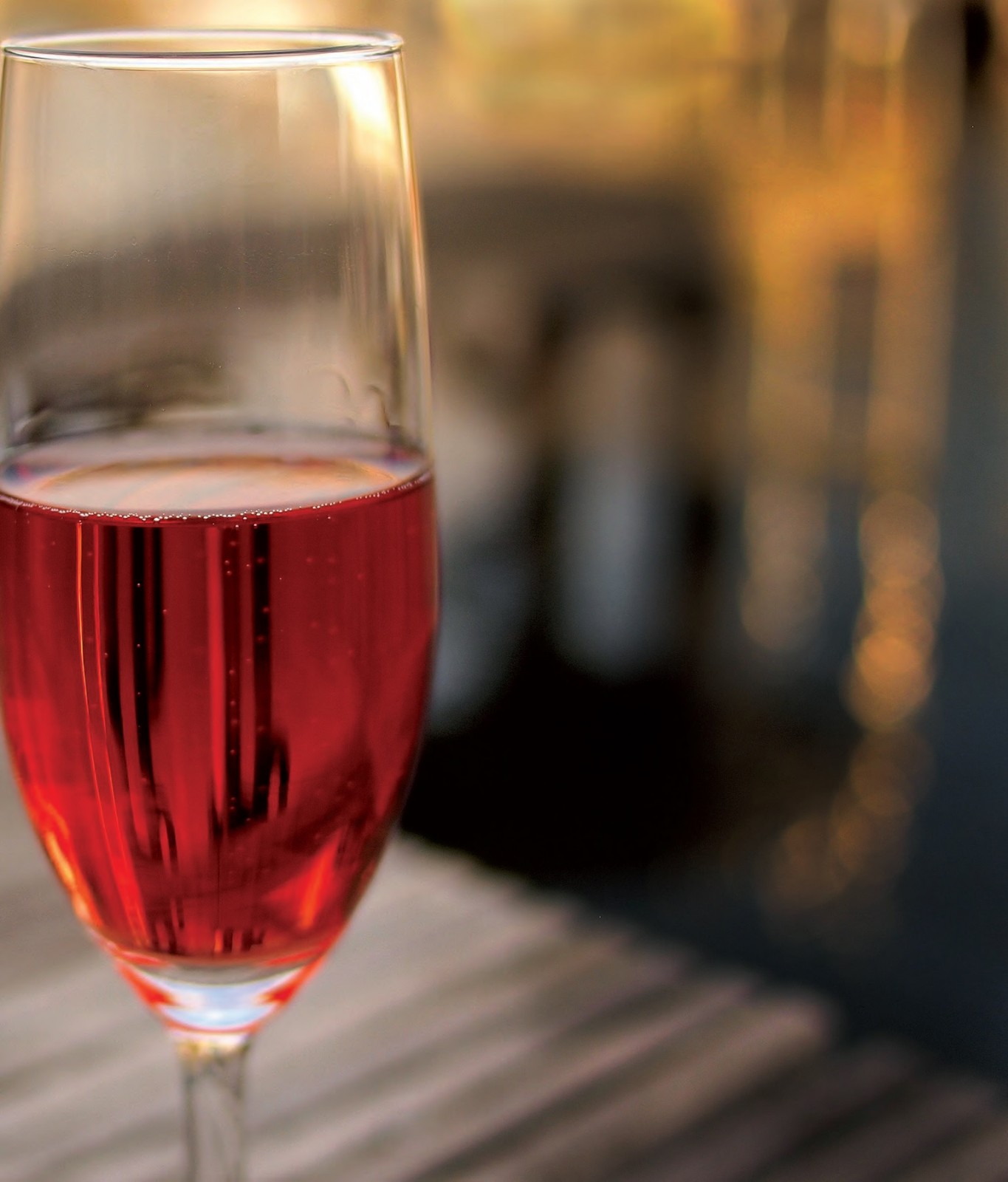
A rosé is a wine made pink by short contact with the grape skins. The juice can be made from almost any wine grape. The wine is made just like a traditional, still wine except that the winemaker leaves the skins in contact with the juice anywhere from two to 20 hours and then discards the skins. There are different styles of rosé wine from all areas of the world, but most have flavors of bright strawberry, cherry or raspberry fruit and finish clean, dry, light and, sometimes, with a hint of minerality. It is a user-friendly wine that goes well with almost any meal.
France is the largest producer of rosé wine in the world with Spain close behind. Rosé makes up 16 percent of all wine production in France and outsells white wine. One of my newer, up-and-coming favorites originates in South Africa. South Africa only accounts for three percent of all rosé wine produced in the world, but the juice they export has a fuller, richer mouthful of fruit, while still finishing dry.
The Provence region is the birthplace of rosé. The region is also home to France’s oldest vineyards. The juice is light and delicate with hints of fruit and herbs. You can almost taste the lavender that is grown in fields near the vineyards. This rosé is fresh and clean, yet round in your mouth so that it pairs perfectly with almost any dish. The grapes used most often in Provence are Grenache, Cinsault, Syrah and Mourvèdre. The shade of pink can range, but tends to stay between a pale salmon and a cotton candy tone.
The summer sun is fleeting, so pour those last drops of rosé from the bottle. Don’t worry because you can easily grab another bottle in winter months thanks to the popularity all over the U.S. Rosé is an amazing, versatile wine that’s perfect to sip on your front porch, but should also be tried with multiple dishes, including seafood, salads, chicken and pork. It is the perfect wine for hot summer days, music festivals, Thanksgiving feasts and any other day of the week. Enjoy!
Elspeth Brown is the owner of Maggie B’s Wine & Specialty Store, 10 C South Main Street in Weaverville. For information, visit MaggieBsWine.com or call 828.645.1111.