By Gary Glancy
 Imagine you’re in a restaurant or at home and have uncorked a fine Cabernet to accompany that nice, juicy steak. In this scenario, the candles are lit; the music is groovy and soothing. You take that bottle of vino and let it flow right into a … Styrofoam cup? No, that’s not how it goes.
Nor should this be the case for an exotic ale like a Belgian-style tripel brewed artfully by Trappist monks. It simply should not be dumped into an ordinary pint glass. Nor should a big, roasty imperial stout be poured into a frosted mug.
Beer has come too far for that kind of disrespect. It’s not that you have to be a snob. I’ve enjoyed many a fine beer in those clear plastic tumbler cups when out in nature. Still, a handcrafted beer deserves the kind of treatment at the end of its journey as it did at the beginning when created by the brewer.
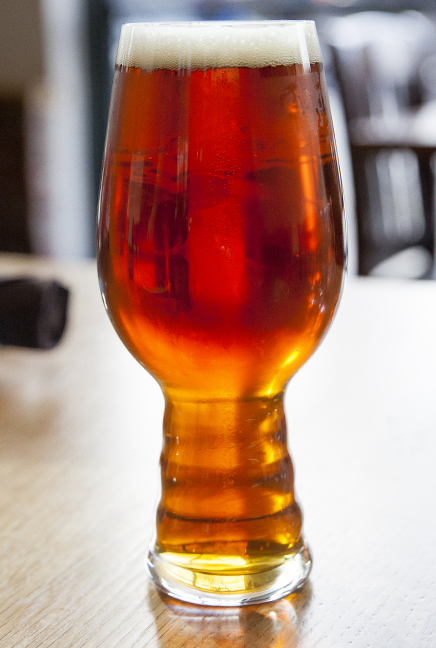 Matching the correct glass with a particular beer need not be intimidating. One style of glassware can actually serve as the appropriate vessel for several different beer styles, which begs the question: How exactly does specific glassware enhance the enjoyment of the beer you’re drinking?
It’s really a combination of functionality, appearance, and tradition. While I can’t see how a giant handled mug would elevate the malty goodness of a German Oktoberfest lager, is there any more iconic image in the beer world than lederhosen-clad revelers hoisting those mugs in the air during Munich’s most famous party? And who can imagine sipping an exotic Chimay Trappist ale from anything but an equally elegant chalice?
While many beer/glassware pairings are chosen for historical purposes, others are selected for their ability to actually facilitate or enhance the physical and visual components of the beer.
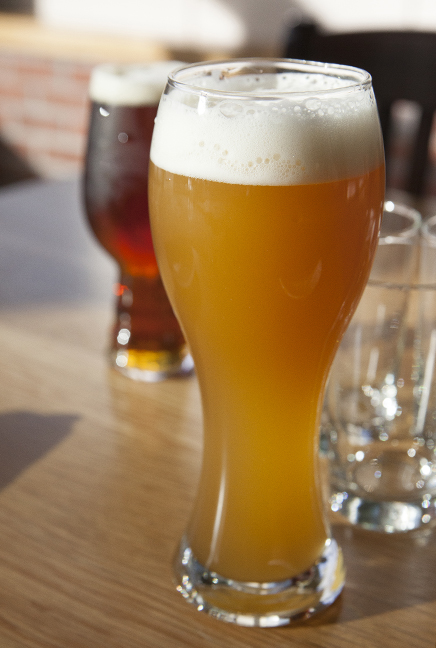
A slender glass, for example, is a wonderful presenter for the delicate pilsner style, whose golden-hued, crystal clear appearance shines right through the glass. The outward taper of the glass also helps support and prolong pilsner’s soft, white head. Likewise, another German style of beer, Hefeweizen, has a glass to call its own that supports the beer’s big two- to three-inch head and traps the natural yeast sediment at the bottom of the tall glass. It’s also a beautiful sight to behold, as visitors witness firsthand at Sierra Nevada’s Taproom and Restaurant in Mills River each time someone orders the brewery’s popular Kellerweis.
Other types of glassware are designed to channel aromas directly from the glass to your nose, as the sense of smell is extremely influential in our overall tasting experiences. That is why creating and maintaining a good head on a beer is important—the head traps aroma compounds and releases them to us as we drink a beer—and the shape of the glass can play a big role in that.
Bottom line? A quality beer deserves a quality glass. A nice wine glass for beer works, too. While your standard shaker pint glass is fine for most bars with their convenience and durability, treat yourself at home and give your beer a little more flare.
Gary Glancy is a freelance writer, bartender and Certified Cicerone® living in Hendersonville.