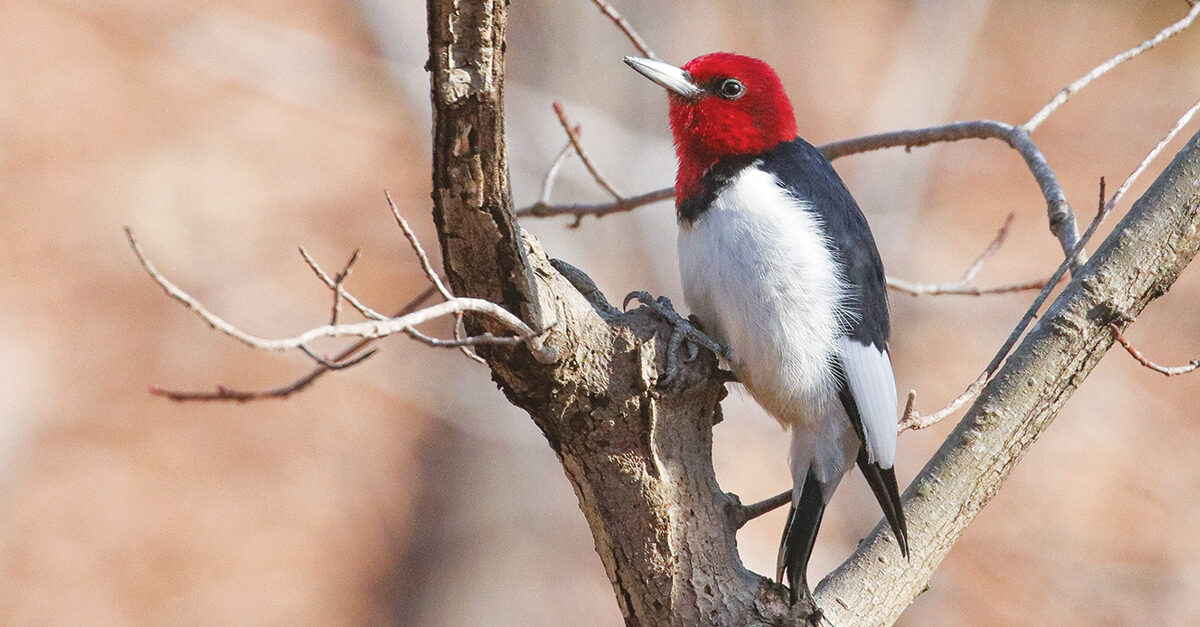
Red-headed Woodpecker
By Emma Castleberry
The NC Bird Atlas is a targeted survey effort intended to create a picture of bird abundance and distribution in order to better understand the habitat requirements for a healthy bird population. Since 1970, one in four national birds has been lost, totaling a loss of 2.9 billion birds across North America. “Bird populations across the country face challenges from habitat destruction, from changes in land use, climate change, non-native and invasive species, and human development,” says Pam Torlina, southeast stewardship manager for Conserving Carolina and NC Bird Atlas Region 9 co-coordinator. “Data gathered from the NC Bird Atlas is critically important to protecting bird diversity throughout the state. This baseline information will provide land managers and scientists with data about current bird populations and species diversity and aid in future conservation strategies and land management practices that will ensure bird diversity for the future.”
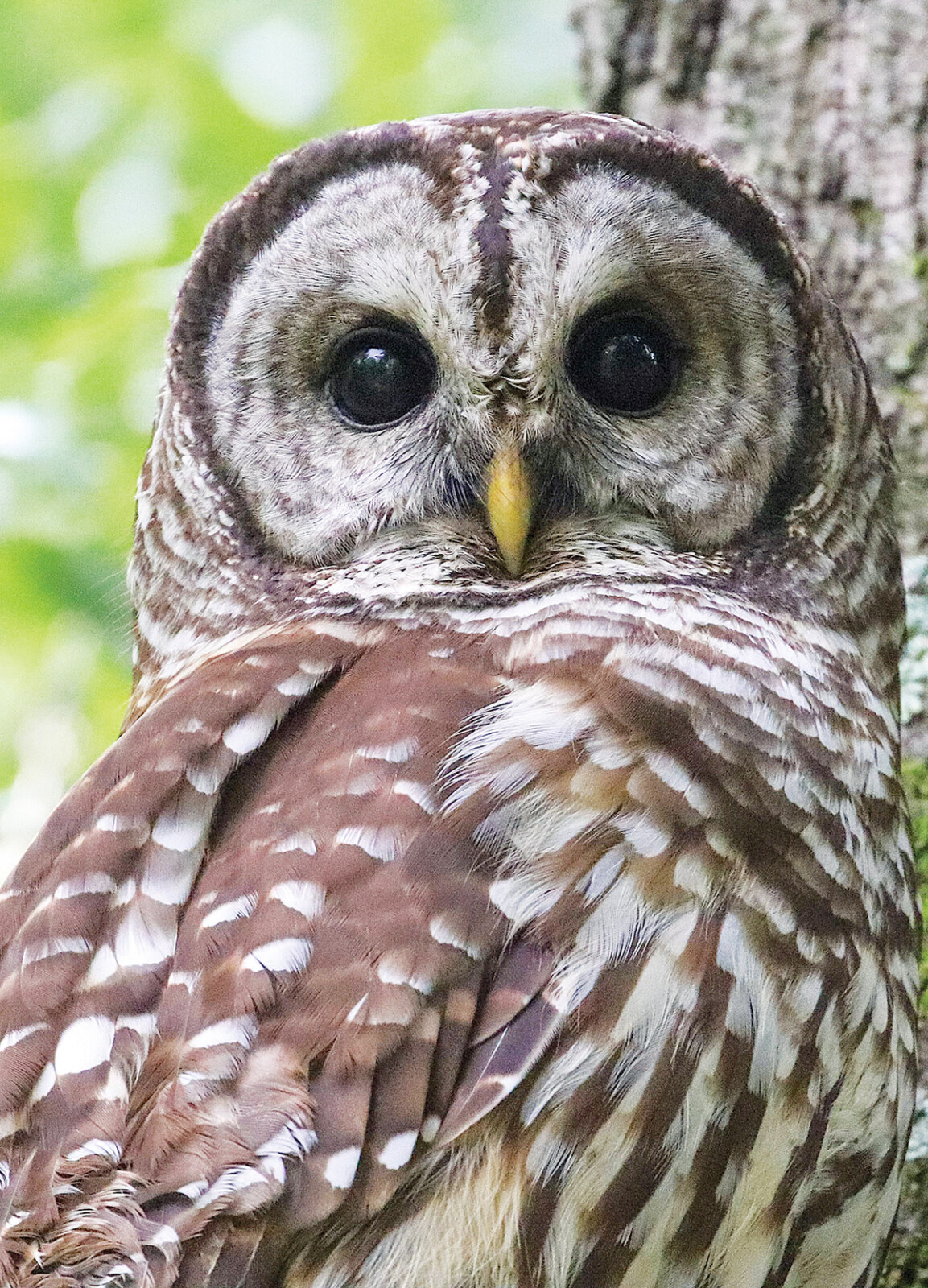
Barred Owl. Photo by Martina Nordstrand
The NC Bird Atlas is a five-year, statewide citizen science project that began in 2021. It is currently seeking additional birdwatchers located across the state, from the Blue Ridge Mountains to the Outer Banks, to participate in the project. The Atlas has divided the state into 937 plots of about 10 square miles called “priority blocks.” Volunteers sign up for a specific block and commit to surveying that area through the completion of the project in 2025. This entails at least 10 hours surveying in the winter season (through February 28) and 20 hours in the breeding season. Participants log their sightings online through eBird, an online database of crowd-sourced bird observations.
Atlasing is similar to birdwatching, except participants take time to watch individual birds closely and make note of their behaviors throughout the year. “For example, an observer watching a Carolina Wren might take note of its unique songs and calls, learning to distinguish its bird vocalizations from other species,” says Torlina. “They might also notice feeding habits or whether it is gathering twigs and leaves in its beak to build a nest. Participating in the Atlas provides people with the opportunity to become more intimately familiar with the birds in their own community, have fun outdoors and deepen their knowledge of birds. Additionally, with the Atlas, it allows them to contribute to an important research project that will provide a better understanding of birds throughout the state and what needs to be done to protect them.”
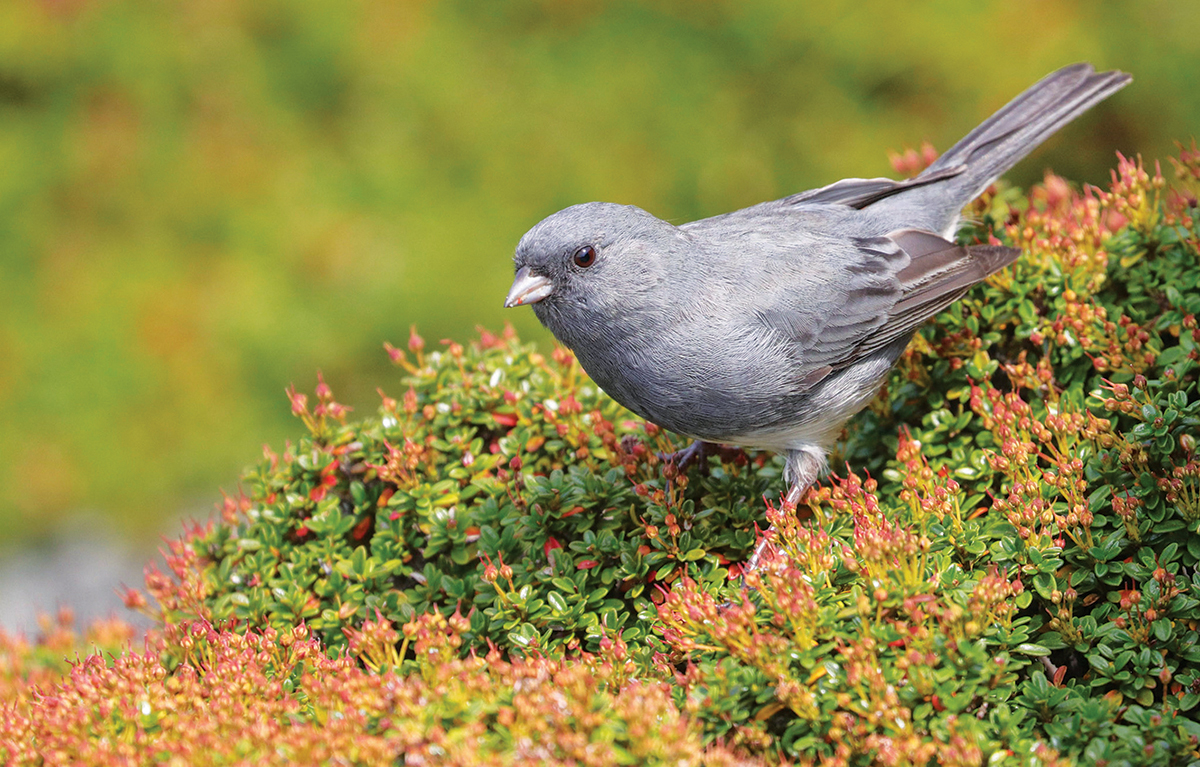
Dark-eyed Junco. Photo by Martina Nordstrand
Cheryl Day is a Region 9 Atlas participant who lives in Tryon. She selected two priority blocks to survey. “What you hope to eventually get is confirmed nesting of different species,” she says. “It’s not that you are looking for rare birds, it’s about really noticing the birds around you, their habitats and behaviors, and hopefully confirming some stage of nesting. The Atlas is a great opportunity for people to deepen their knowledge of birds, have fun outdoors and provide data to this important research project.”
Torlina says there is a misconception that we know more than we actually do about NC bird species. “Some of the primary questions to be answered by the Atlas, about as many species as possible, are things like breeding season dates, predicted breeding range, density patterns across the state, population size, elevation limits and distribution,” she says. “Hopefully, the data gathered will help state scientists to map the ‘habitat associations’ of some of the species, in order to make an even finer map of the habitat that species require to persist in the state. This can be valuable in conservation land planning: identifying the highest priority parcels of land to conserve to benefit the greatest number of species.”
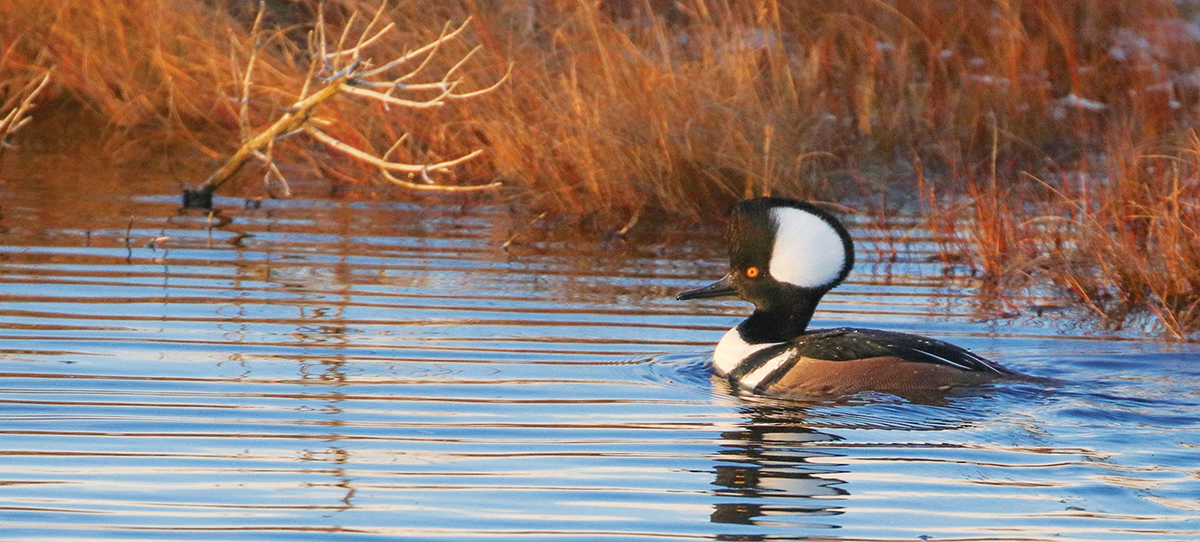
Hooded Merganser at dawn. Photo by Martina Nordstrand
To get started as an Atlas participant, visit NCBirdAtlas.org. Conserving Carolina is one of two regional coordinators for the NC Bird Atlas, serving Region 9, and can provide information, instruction and assistance to begin participating and throughout the survey year. Contact Pam Torlina at pam@conservingcarolina.org, or co-coordinator, Mike Resch at reschmike1@gmail.com for more information.