
Photo by Rose Lane
By Emma Castleberry
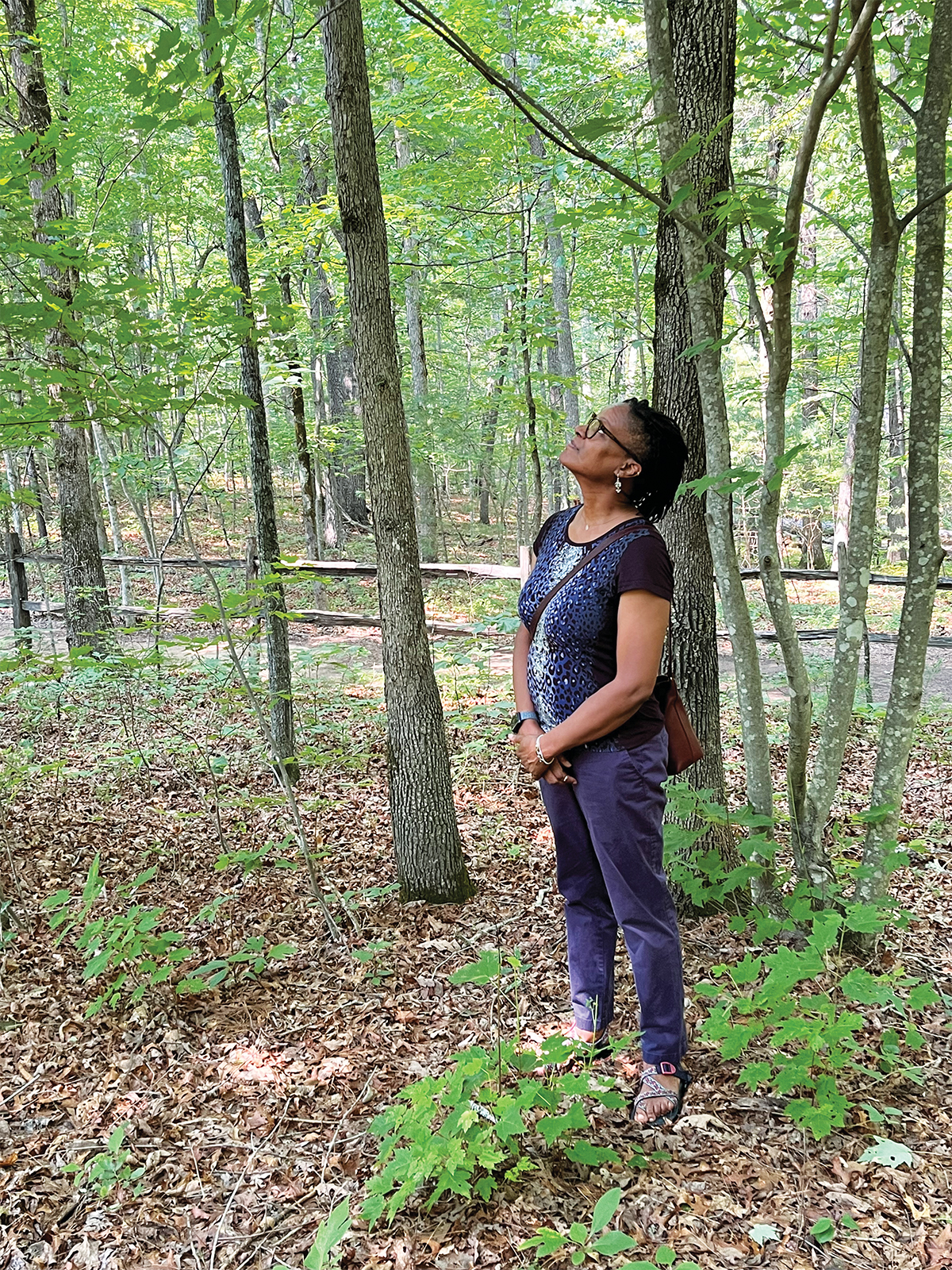
LaShanda Brown has led a very curious life, and this curiosity has helped her stay well. “Most of the things I’ve discovered, it wasn’t something that I learned as a child or something I was exposed to in my friend group,” she says. “I see something and I’m like, hm, what is that about? Part of my self care and mental wellness plan is to stay open and find adventures in the smallest things.”
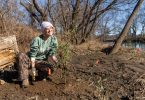
LaShanda Brown. Photo by Rose Lane
A geriatric nurse practitioner who works mostly in the field of psychiatry, LaShanda approaches patient care through a holistic mental health framework. “I’m not just interested in the medication that will fix the problem,” she says. “I’ll spend a lot more time educating folks and having strategy sessions about what else is available to them for sustainable change and care and cure.” LaShanda tries to offer a variety of mental health care tools to her patients, because “yoga and meditation simply aren’t going to cut it for everyone,” she says.
One of the things she’s added to her toolbox in recent years? Mindful birding. “There is a lot of support now for any of the nature-based therapies,” LaShanda says. “Birding in general, but particularly this slow type, is recommended and encouraged in the holistic mental health world.”
A few years ago, LaShanda was working at a yoga studio in Winston-Salem, where she’s from, when the studio owner approached her about teaching a mindful birding workshop. “She pitched the idea to me before I had ever done any kind of bird walks or birding of my own,” says LaShanda.
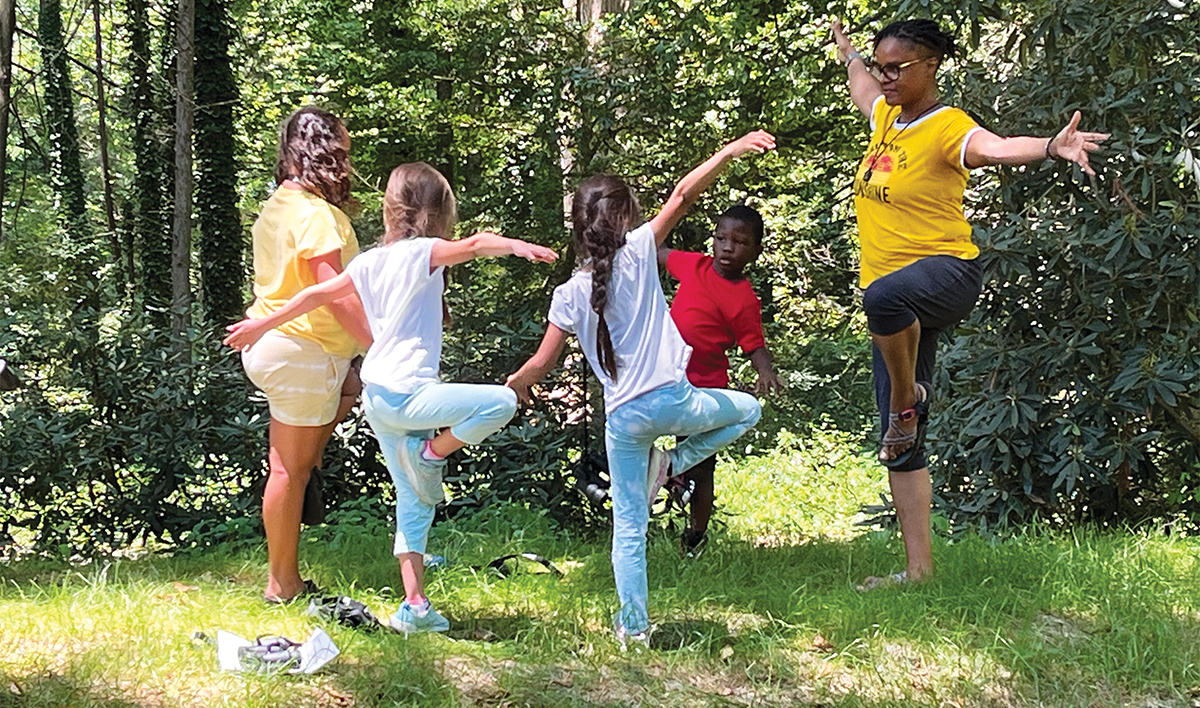
The owner was an avid birder and LaShanda was teaching meditation classes at the studio, so the pair made a good team for exposing the public to mindful birding. The two women worked with Forsyth Audubon, the local chapter of the Audubon Society, to offer these workshops at no cost. “My idea was that we would target folks who don’t typically get outside, folks who definitely haven’t been exposed to birding,” says LaShanda. “We connected with a local boy scout troup from one of the Black churches and the YMCA branch that is majority African American members.”
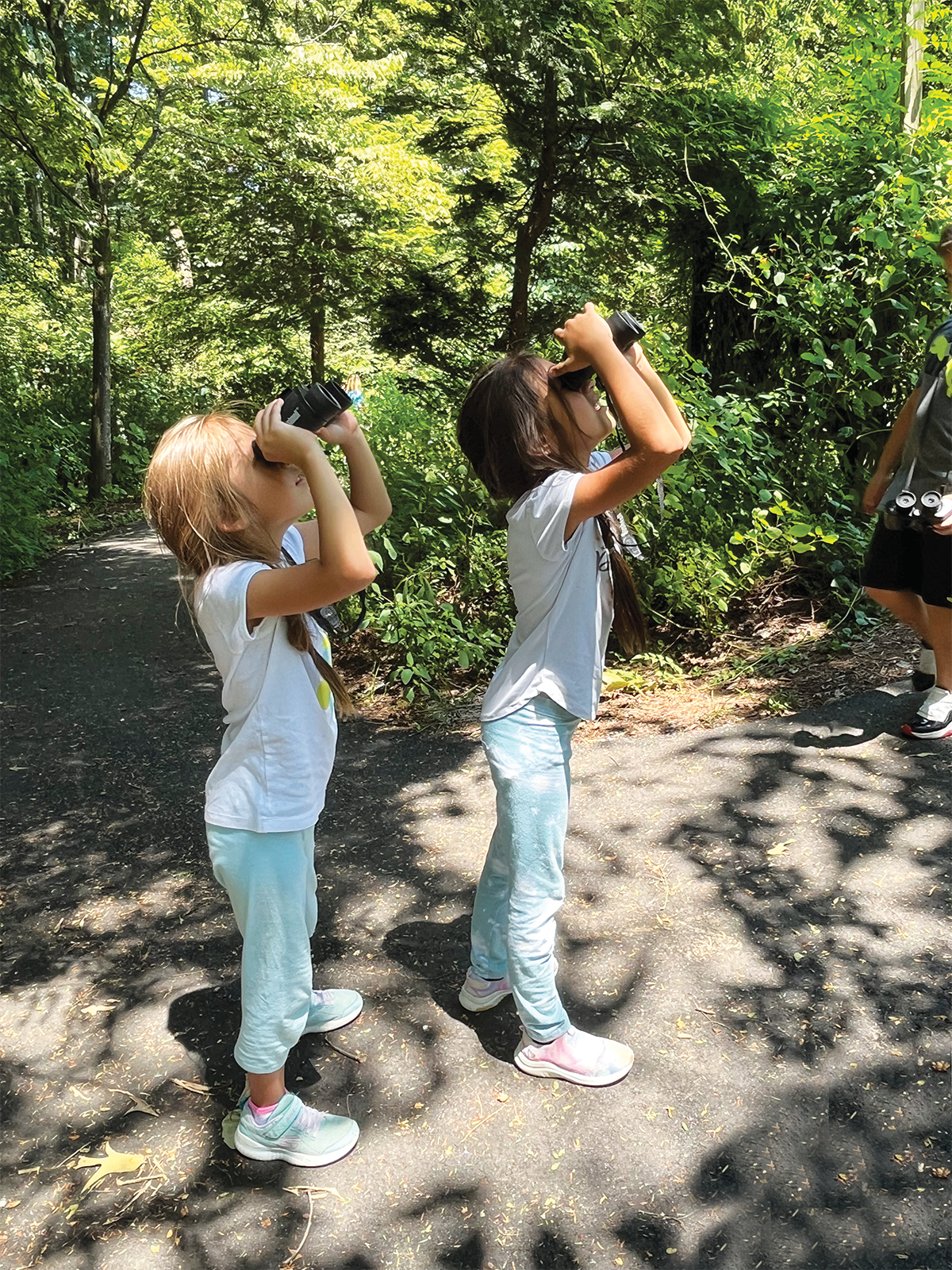
Photo by Rose Lane
Some of the people who showed up to the workshops were brand new to both birding and meditation, while others were avid birders that were curious about slow birding and how it differed from their current hobby. “What makes it different,” says LaShanda, “is that it’s less about accumulating a number of different bird species and locations and all that. It’s more about just being present with nature and the things around you.”
LaShanda admits that the ease of access to natural spaces is part of what drew her, and many others, to Asheville, but she also offers an additional perspective. “I don’t want to give people who don’t live near a lot of trails and hiking and opportunities the impression that they can’t do it,” she says. “I’m starting to reframe my position that what’s unique about this area is the culture as much as it is the actual physical environment. You hear more people talking about walking and trails and being outside. It’s easier to find people that you can do these things with and that makes a difference.”
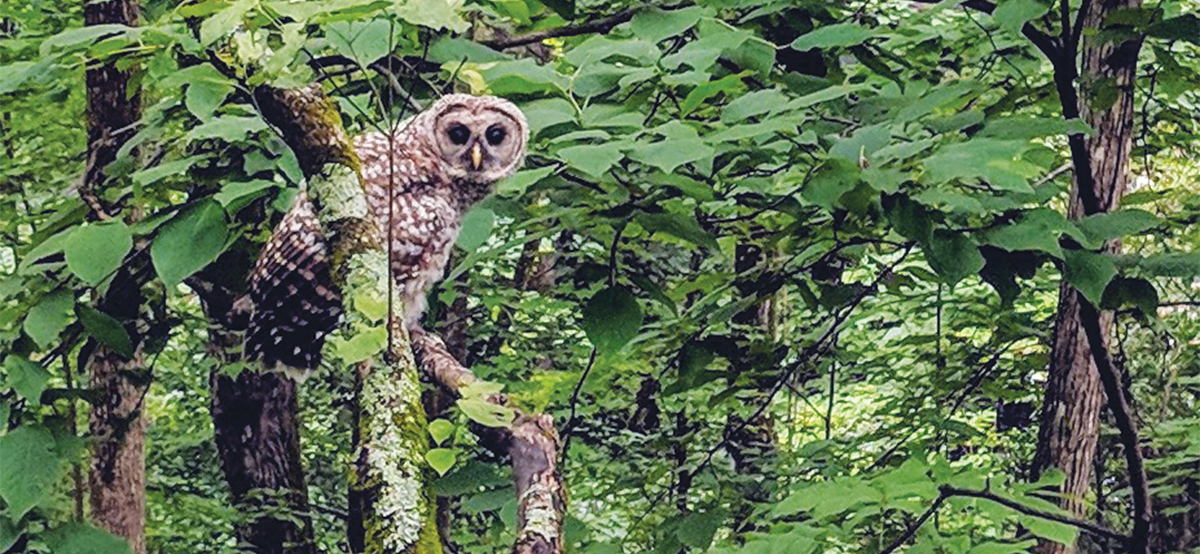
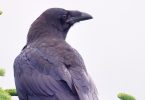
For LaShanda, the power of mindful birding is how easily it can permeate everyday life. “When you get out of the car at the pharmacy, you stop and notice when you hear the crows nearby,” she says. “Or when you’re sitting in your backyard on your deck or patio, you are listening and checking in to what’s around you and getting connected. It becomes a very portable practice. You don’t have to have binoculars, you don’t have to gear up and drive to a park. This is learning how to access birds and nature around you at any time throughout your day or week.”
Barred Owl. Photo by Sara Jackson
Despite the notoriously chilly February weather, getting outside—even briefly—can dramatically improve your mental and physical wellness. Here are LaShanda’s tips for incorporating nature experiences into your daily life in the winter.
1. Plan for short spurts close to home. “Do small walks so you can get right back inside and warm up, so you’re not too cold for too long,” she says.
2. Layer up! The right gear can make even the worst weather bearable.
3. Get outside during the warmest part of the day, when the sun is out. “If during the warmest part of the day, you’re at the office, get outside and walk around your campus, or sit in or on the car, soak up some sunshine, smell the fresh air, listen for the birds.”
4. Schedule it. “Put it in your phone. Get outside for ten minutes. If you start with that, just two or three times a week, it makes a world of difference.”
5. Keep it simple. “It doesn’t have to be, ‘Let’s drive an hour down to Brevard and spend the afternoon,’” she says. “Sometimes that’s just not in the cards. But I can do ten minutes out on my balcony and I still get a lot of benefit from doing just that.”
Learn more about the practice of mindful birding at TheMindfulBirdingNetwork.com.


Great article Emma! What a wonderful person. I would love to go birding with her!