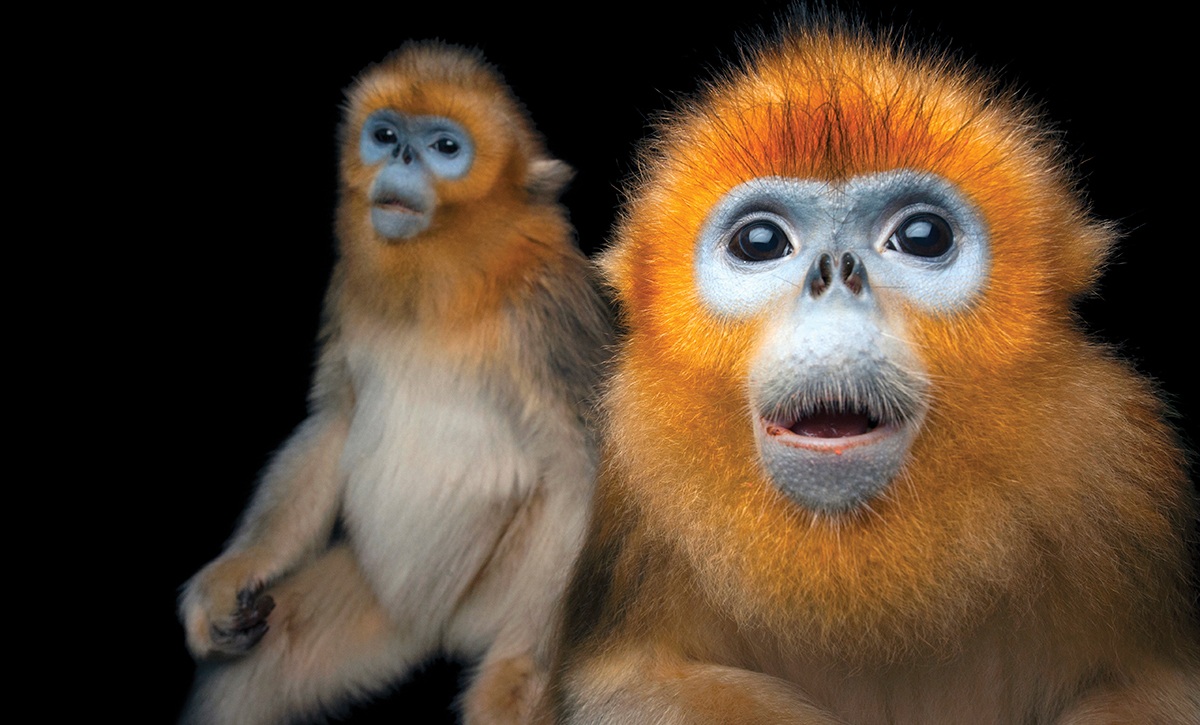
Two golden snub-nosed monkeys, Rhinopithecus roxellana, at Ocean Park Hong Kong. Photo by Joel Sartore/National Geographic Photo Ark
By Natasha Anderson
The National Geographic Photo Ark traveling exhibition, featuring the work of National Geographic photographer Joel Sartore, opens at the North Carolina Arboretum’s Baker Exhibit Hall Saturday, September 24, and runs through January 8. The exhibition is one of multiple platforms showcasing an ambitious project founded by Sartore and committed to documenting every species living in the world’s zoos and wildlife sanctuaries. It is organized by the National Geographic Society and Omaha’s Henry Doorly Zoo and Aquarium.
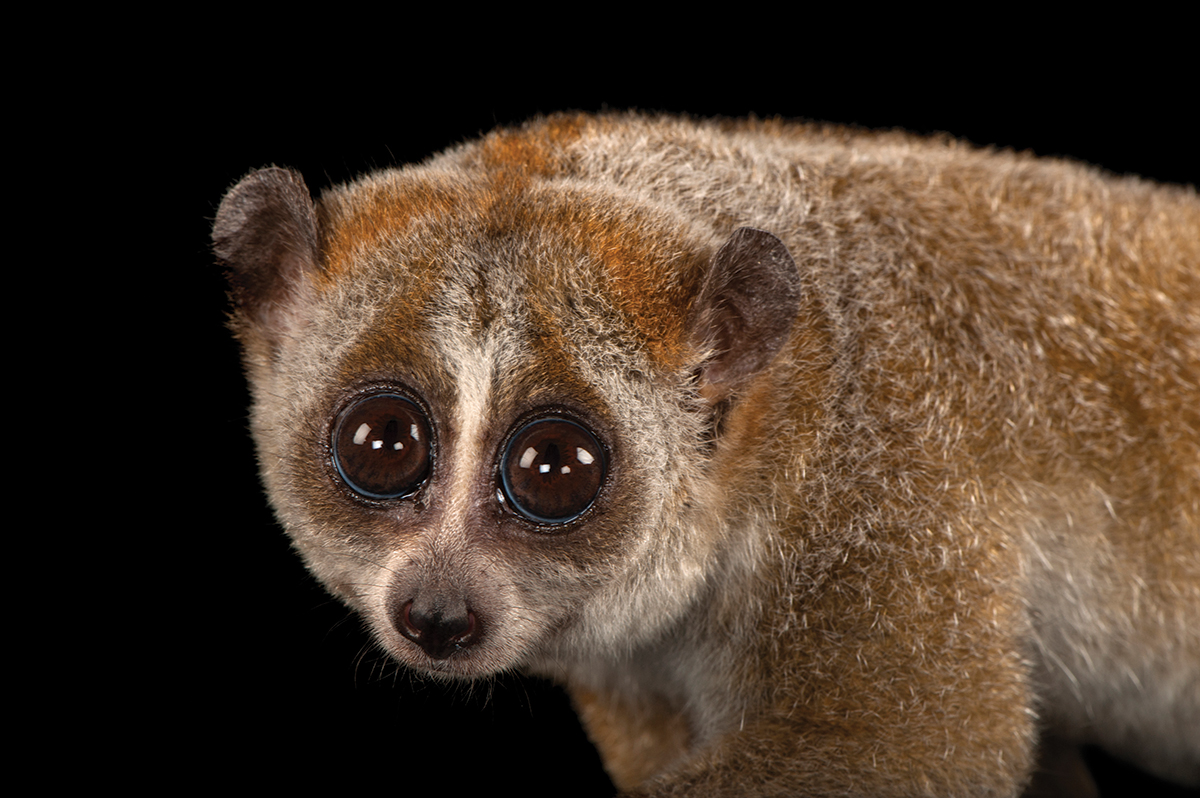
A pygmy slow loris, Nycticebus pygmaeus, at Omaha’s Henry Doorly Zoo and Aquarium
“The photos will hopefully connect guests with our natural world and bring awareness to how critical these species, including Eastern North Carolina’s red wolf, are to our environment,” says the Arboretum’s exhibits curator Ashlee Lanier.
The project, which Sartore estimates will include portraits of more than 20,000 species once complete, is meant to photograph each one before it is too late and to inspire people to help protect these animals for future generations. In addition to creating an archival record, it is a hopeful platform for conservation that shines a light on individuals and organizations working to preserve species around the world.
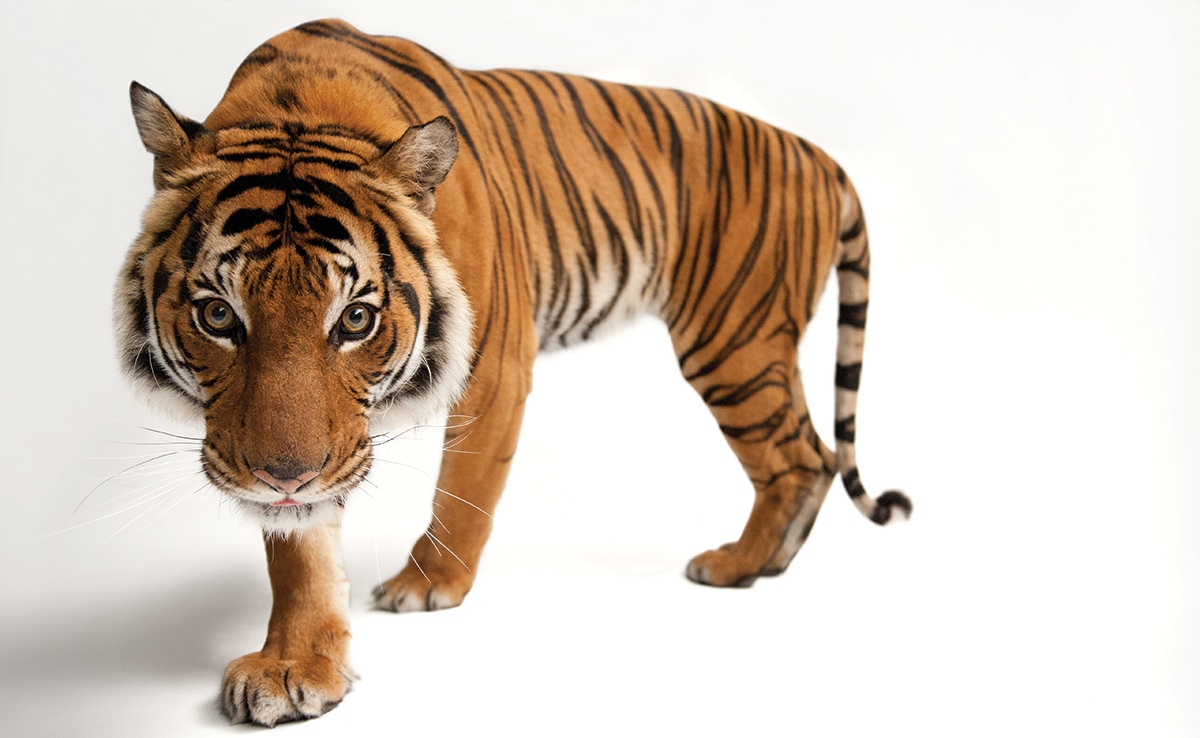
Malayan Tiger, Panthera tigris jacksoni, at Omaha’s Henry Doorly Zoo
“Certain animals are no longer present in the wild and only exist under human care,” says Sartore. “There are animals so rare now that I rush to get them photographed.”
Sartore has photographed animals that were down to the last known member of their species, and that have since died, including the Rabbs’ fringe-limbed tree frog. Nabire, one of the last Northern White Rhinos at Dvur Králové Zoo in the Czech Republic, was photographed by Sartore before passing away due to complications brought on by old age.
“I have seen a number of species go extinct since starting the Photo Ark,” says Sartore. “It saddens me greatly, but also angers and inspires me to want to give everything I’ve got to this project, and use extinction as a wake-up call: as these species go away, so could we.”
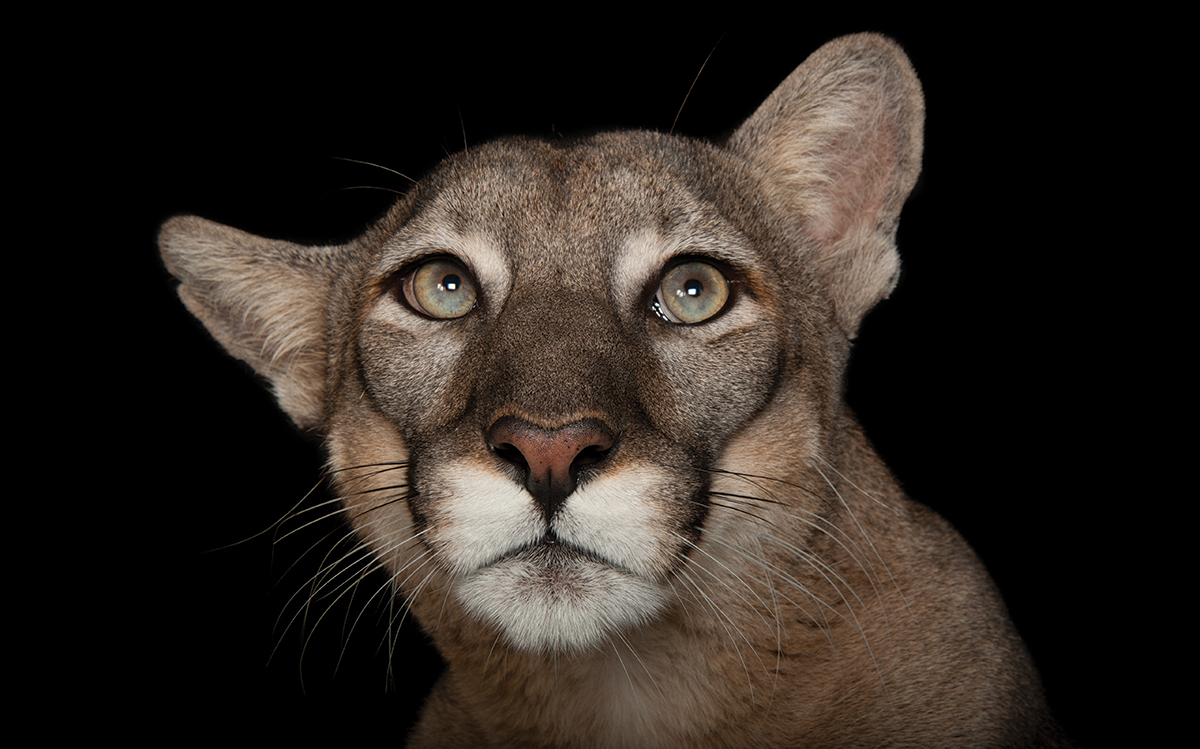
A federally endangered Florida panther, Puma concolor coryi, at Tampa’s Lowry Park Zoo. Photo by Joel Sartore/National Geographic Photo Ark
Photo Ark portraits represent several animal classes including birds, fish, mammals, reptiles, amphibians and invertebrates. The project will be the largest single archive of studio-quality photographs of biodiversity ever made. The National Geographic Photo Ark exhibition at NC Arboretum will highlight more than 50 of the project’s most compelling images.
“We are honored to host the artistry of Joel Sartore and the National Geographic Photo Ark exhibition,” says the Arboretum’s senior director for mission delivery Clara Curtis. “Join us to see this impactful exhibit as it travels the world!”
The North Carolina Arboretum is located at 100 Frederick Law Olmsted Way in Asheville off of the Blue Ridge Parkway at Milepost 393. It is open daily from 8 a.m. to 9 p.m., April through October, and 8 a.m. to 7 p.m., November through March. Admission is free. A standard $16 per vehicle parking fee is required for non-members. For more information, visit NCArboretum.org or call 828.665.2492.