Rufous Hummingbird. Photo by Tania Simpson
By Gina Malone
European explorers to the Americas, startled by their beauty, called them “flying jewels,” these tiny birds who weighed about 2.5 grams (less than the weight of two dimes), were vividly colored and had astonishing flying skills. Of the more than 300 varieties of hummingbirds, it is the Ruby-throated species that we see most often in Western North Carolina. “I have my feeders up and ready the first week in April every year without fail,” says Casey First, owner of Wild Birds Unlimited (WBU) in North Asheville. “I love the sight of the first hummingbird of the season in my yard. It takes my breath away every time.”
Ruby-throated Hummingbirds are distinguished by their green crowns and, in males, by vibrant red throats. They winter in Central America, returning to WNC and other places in the US in late March to mid-April.
“A general rule of thumb is to get your feeders cleaned and filled with nectar by tax day,” First says. Simple table sugar mixed with four parts water offers sufficient nutrition to keep hummingbirds darting about—and pollinating—in good health. Feeders can be left up during the winter, though nectar should be changed every two weeks and kept unfrozen. First counts among his memorable sightings a Rufous Hummingbird in Asheville in winter. A customer alerted him to the unusual occurrence in their backyard where a feeder was being kept heated for the wayward traveler.
Hummingbirds can fly backwards and upside down, and can hover, feats that distinguish them from other birds. Migrating, they cross the Gulf of Mexico, a distance of from 300-500 miles, nonstop. Marvels that they are, however, some species of hummingbirds, like many other bird populations, face shrinking habitats due to a changing climate. Making yards bird-friendly is one way bird lovers can ensure that numbers remain stable.
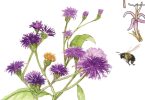
Tom Tribble, past president and at-large director of Blue Ridge Audubon Chapter recommends planting coral honeysuckle, wild columbine, red buckeye, Eastern blue phlox and bee balm to attract hummingbirds. Blue Ridge Audubon offers free monthly bird walks on the first, second and third Saturdays. Visit BlueRidgeAudubon.org for locations and times.
“This is a great birding community and a great environment for birding since we have so much elevation change and reside in a temperate rainforest,” First says. He recommends putting up feeders as a first step to birding. “Take a walk with other people/birders that know about birds in the area and become curious,” he adds. Aside from birding guides and bird walks, websites and free apps serve as great learning tools. “We also have a great staff that loves helping out new birders and talking all things about our feathered friends,” First says.
Upcoming events at WBU include a visit from Phoenix Landing, a local nonprofit parrot and bird rescue, on Saturday, May 13, at 1 p.m.; and on Saturday, June 17, “An Afternoon with an Ornithologist,” featuring a presentation on bird conservation.
Wild Birds Unlimited is located at 946 Merrimon Avenue, Suite 120, in Asheville. Monthly bird events are free and open to the public with no registration required. To learn more, visit NorthAsheville.wbu.com.