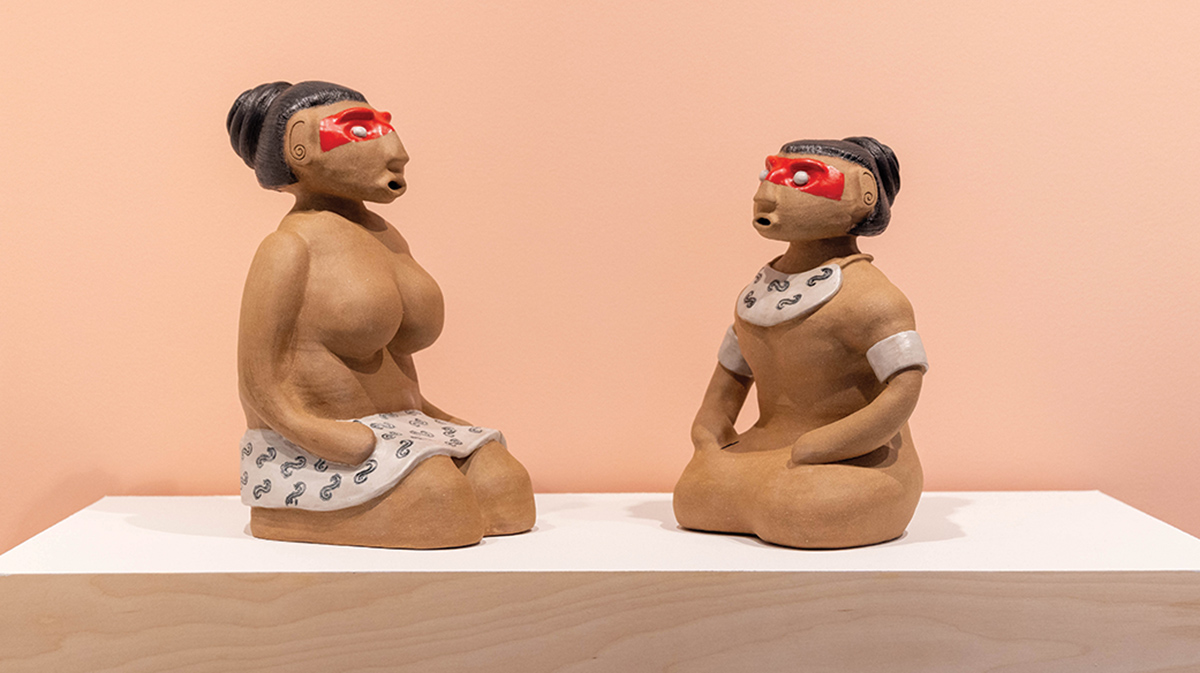
Selu and Kanati. Levi West, artist
By Lauren Stepp
Craft has always been a record keeper. Woven into cloth, carved into clay or forged in fire are the stories of people, places and traditions that span generations. A new exhibition at the Center for Craft, Connections in the Making, leans into that idea, presenting work by artists who reveal the many ways craft binds past and present.
“One of the themes I draw out in the exhibition is that craft connects us across time, both through historic objects and the people and stories they represent, as well as through craft knowledge and skills that are passed down from generation to generation,” says Marilyn Zapf, the show’s curator. “Artists use historic objects, techniques and forms, but make them their own, and therefore are actively creating future histories.”
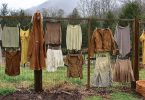
Simply put, the past isn’t a reference point—it’s an active collaborator. Bakersville-based artist Rachel Meginnes, for example, works with vintage quilts, carefully deconstructing and reweaving them into new compositions. As she cuts quarter-inch strips from old quilt tops and backing cloths, she preserves the patterning of the original makers, allowing their choices to guide her own.
“Part of what I love about working with old quilts and textiles is the evidence of time, care and wear embedded in the cloth,” Meginnes says, pointing to ink stains, bias-cut fabric and worn seams. “These material details and the history of my hands-on process, alongside those of the original quilters, are my metaphors for human existence and the challenge and beauty of daily life.”
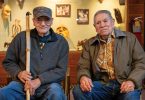
That idea resonates with Levi West, an enrolled member of the Eastern Band of Cherokee Indians. For the exhibition, he created contemporary versions of artifacts found on archeological sites across the Southeast. He sees these sculptures as stand-ins for originals, explaining that “the archaeological pieces deserve to be with the people they were created for and not on display for tourism.”
He adds that his sculptures do more than honor the past—they point to a culture that is very much alive. “I want people to see a living culture,” he says. “There is a group of multiple generations passionate about reawakening these traditions.”
Other works broaden the historical frame, from Cherokee baskets rooted in land-based practices to an illustration of James Vester Miller, the master brick mason whose surviving structures help reclaim a chapter of Asheville’s past too often overlooked. Zapf hopes these perspectives invite viewers to reconsider how craft shapes—and is shaped by—the region’s layered histories.
“Connections in the Making features artists from the region whose work offers different points of connection to help viewers explore why craft matters,” she says.
The Center for Craft is located at 67 Broadway Street, Asheville. Connections in the Making is on view in the Bresler Family Gallery through October 31. Learn more at CenterForCraft.org.