Photo by Mac Stone, courtesy of Open Space Institute
By Emma Castleberry
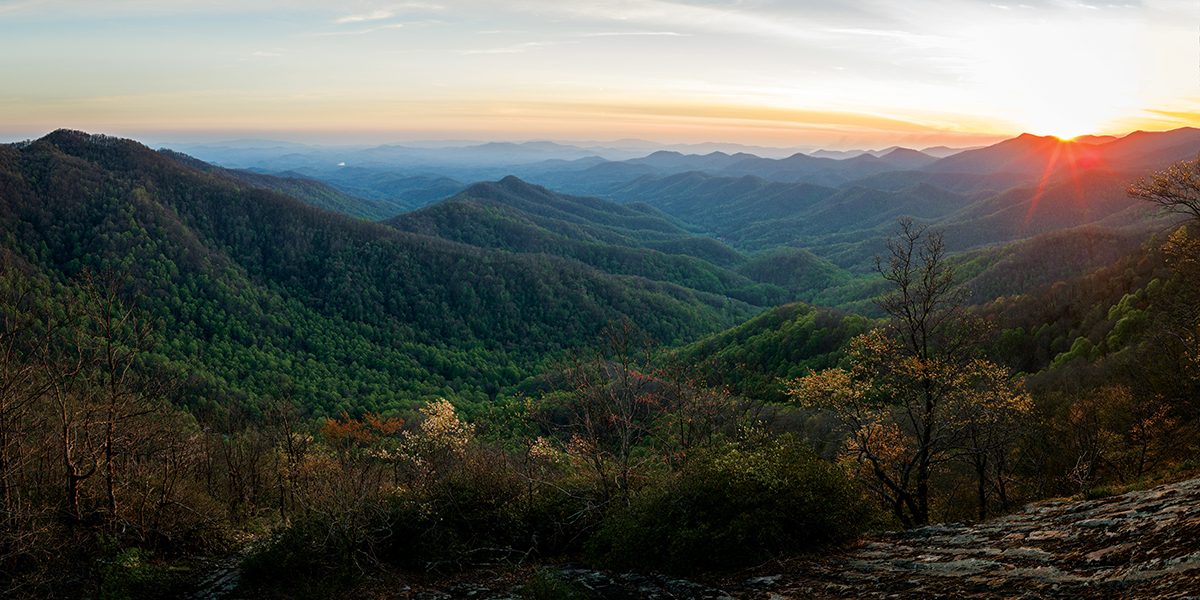
The Open Space Institute and Mainspring Conservation Trust recently completed the $23.3 million acquisition of 17 separate parcels in Cherokee, Graham and Swain counties. Together, the properties connect more than 1.65 million acres of protected lands spanning North Carolina, Tennessee and Georgia, strengthening important links between the Snowbird Wilderness Study Area, the Cherohala Skyway and the Appalachian Trail.
“Investing in Snowbird wasn’t simply about protecting another tract of land—it was about completing one of the most important missing pieces in a landscape puzzle that has been conserved over generations,” says Maria Whitehead, senior vice president of land at Open Space Institute. “Connectivity is one of the most important concepts in modern conservation.”
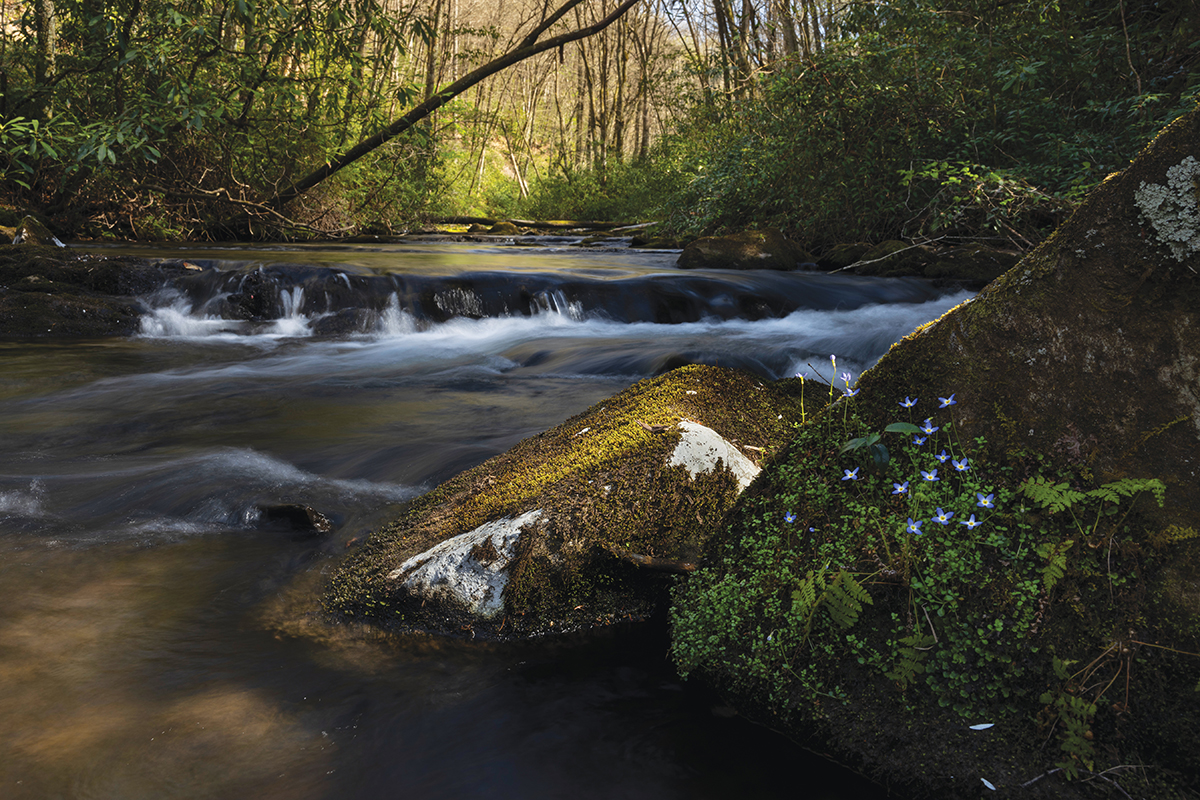
Photo by Mac Stone, courtesy of Open Space Institute
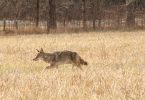
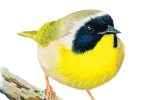
The protected landscape totals 4,400 acres and includes healthy hardwood forests, open meadows and more than 17 miles of headwater streams that support trout, endangered bat species, threatened plants and other wildlife, including the Golden-winged Warbler.
“We often say that everyone lives downstream of someone,” says Molly Phillips, communications director for Mainspring Conservation Trust. “The headwater streams that begin in these mountains eventually become the rivers that supply drinking water to communities across the Southeast.”
The land will remain closed to the public until ownership is transferred to the US Forest Service and the State of North Carolina between 2026 and 2029. Once the transfers are complete and the properties are prepared for public use, traditional activities such as hiking, hunting, fishing and wildlife viewing will be available.
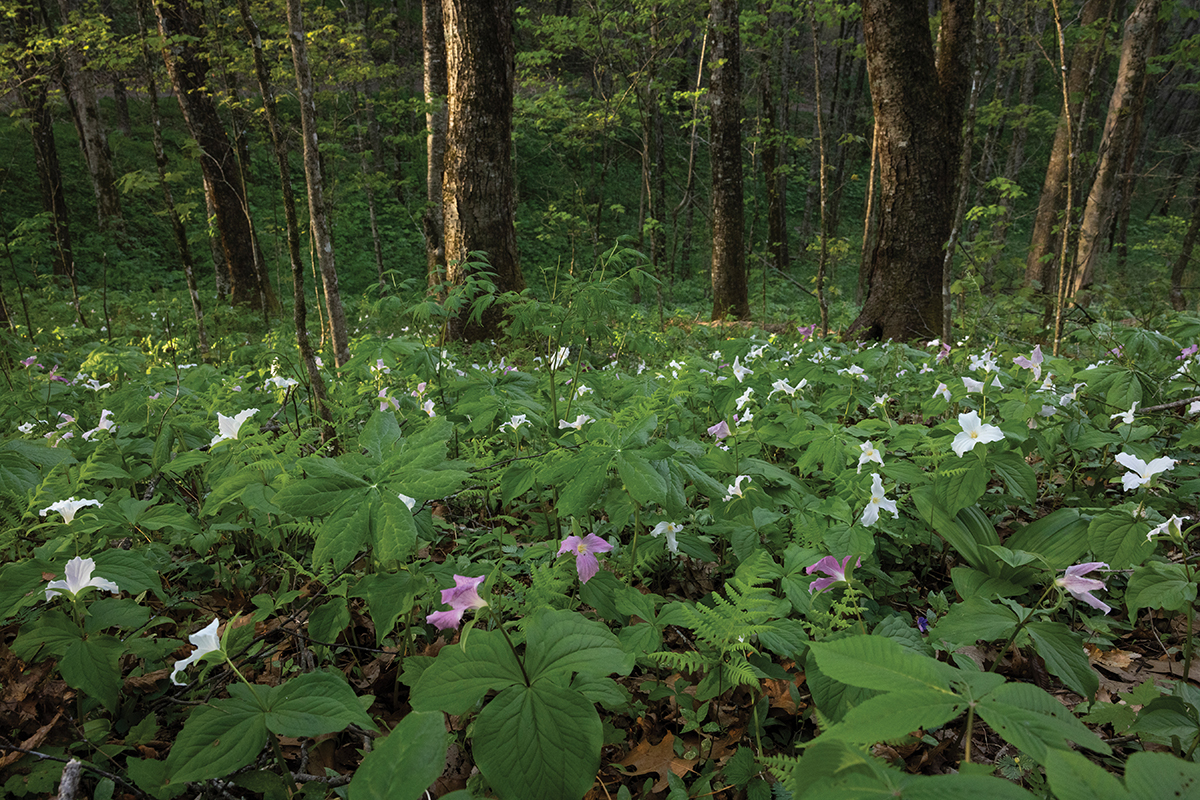
Photo by Mac Stone, courtesy of Open Space Institute
“These lands expand and connect opportunities for this region’s largest economic driver: outdoor recreation,” says Phillips. “Whether people enjoy hiking, hunting, fishing or wildlife viewing, they have more connected public lands to explore, especially in the Snowbird Wilderness Area, near Cherohala Skyway and on the Appalachian Trail. Visitors who come stay in local hotels, eat in local restaurants and support local businesses.”
Bringing together the parcels under one package required years of patient negotiation. It is the largest project in Mainspring’s history.
“This project demonstrates what is possible when organizations with different expertise work toward a common vision,” says Whitehead. “No single organization could have accomplished this alone.”
Learn more at MainspringConserves.org and OpenSpaceInstitute.org.