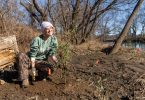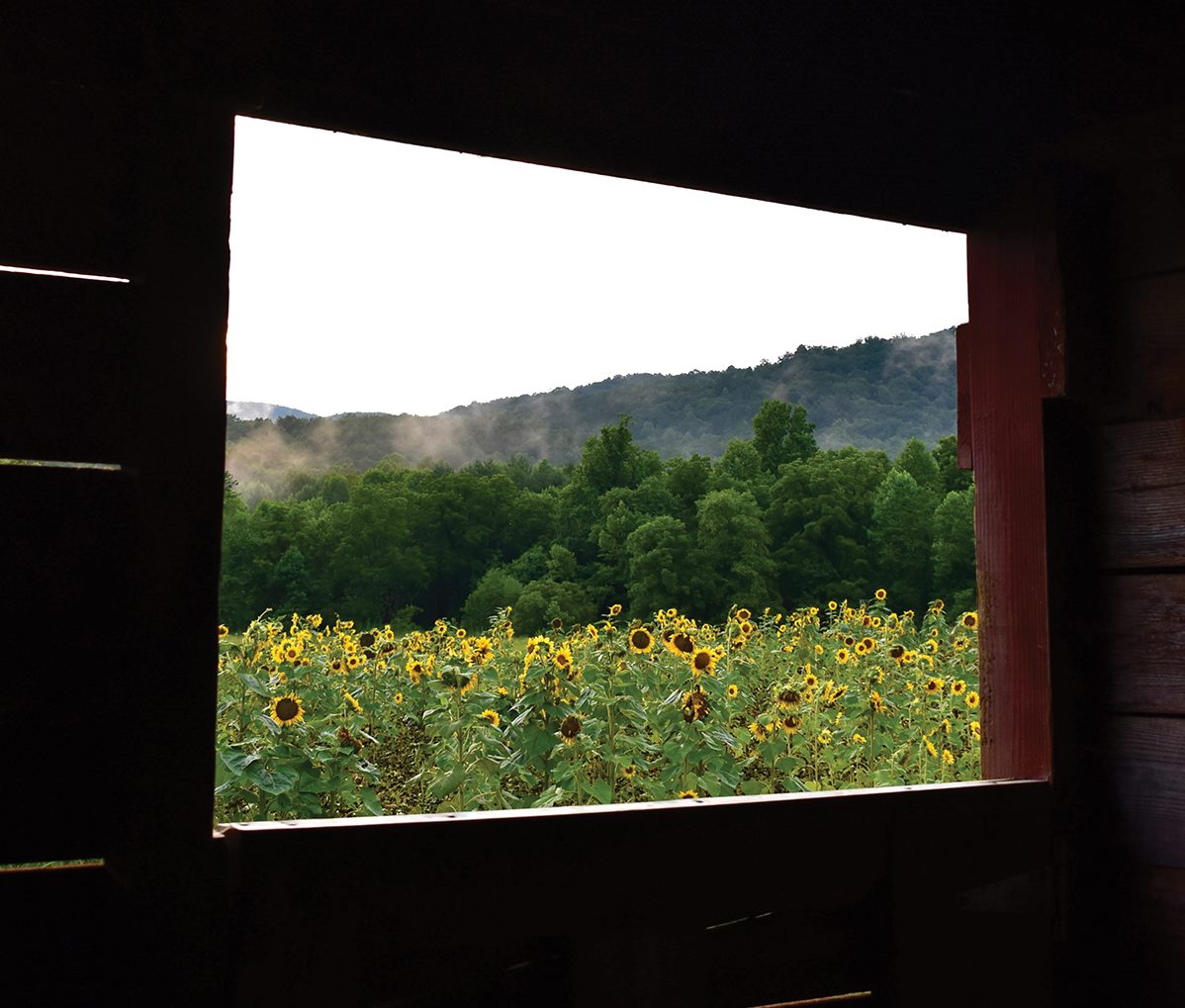
Cover crop field. Photo by Lyric East
By Lyric East
The persistent heat of waning summer bakes everything beneath it medium-well. These fiery waves of August tangibly hang in the air and carry the vibrations of maturing life. The flowers, both wild and tended, know these weeks of shortening daylight are their final opportunity to flash their exuberance and ensure their continuation in the thawing of spring. They have been harnessing energy from soil, sun and water for many months to enhance their ability to step up for the colorful show. Lobelia, mullein, chamomile, tulsi, zinnia, black-eyed Susan, milkweed and hummingbird sage are all in their full glory. Sunflowers tower over everyone. I wonder if they are motivated and inspired by each other’s beauty. All plant life feels aged and wise in their late-summer blossoms.
A native plant of what is now called America, sunflowers have been tended for thousands of years by Indigenous people as a provider of food, fiber and color. With over 70 distinct species and now hundreds more cultivated varieties, the sunflower has become widely grown for its variety of gifts.
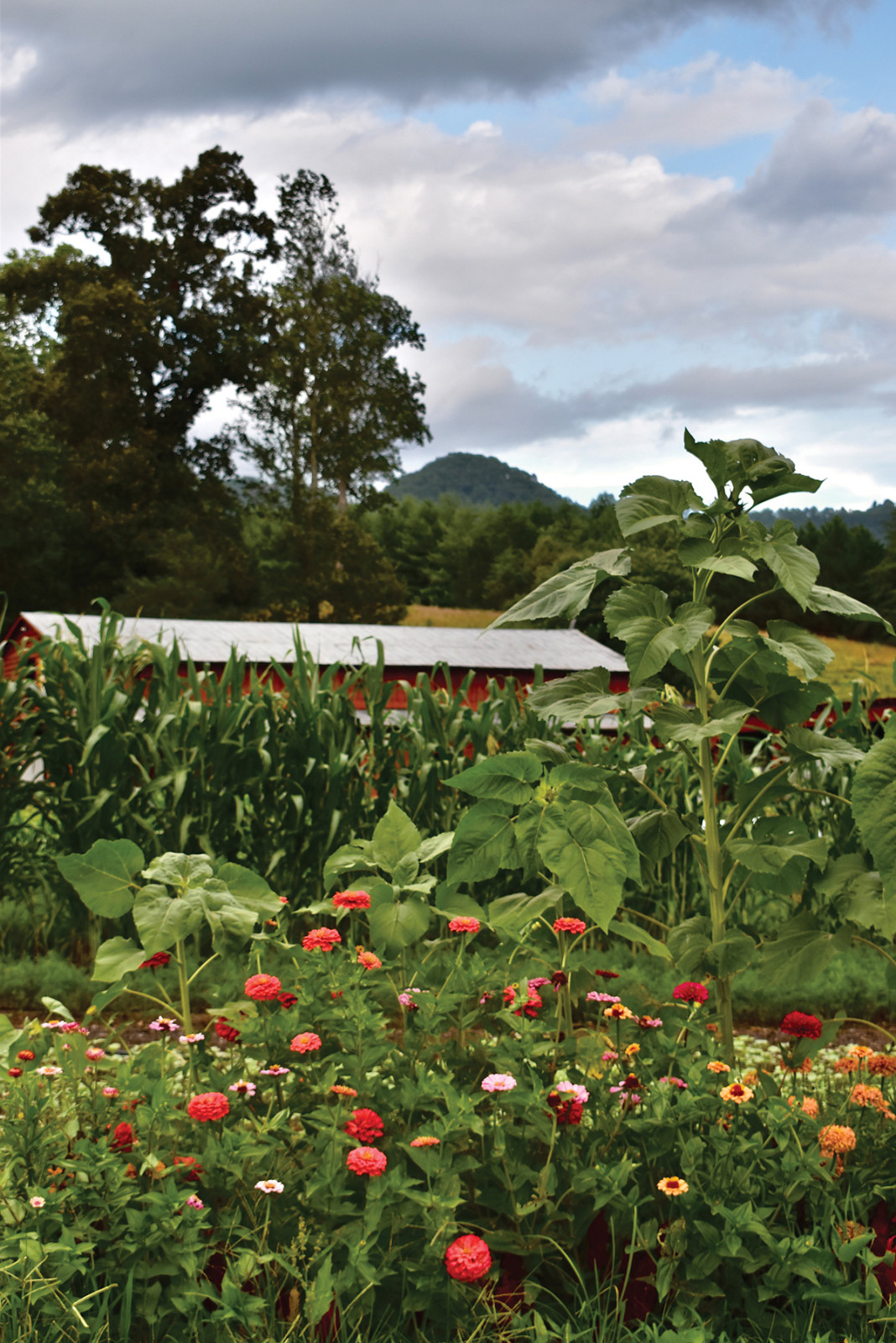
Sunflowers preparing to bloom. Photo by Lyric East
The Plains of the US are the original native home of many of these sunflower species. In times of modern industrial agriculture, the Plains constitute the area of highest production of sunflower crops. Primarily grown for sunflower oil or sunflower seeds (including animal feeds), the diversity of sunflowers grown for mass production is, unsurprisingly, slim.
Here in Southern Appalachia, an area too hilly for broadscale sunflower production, we as small land holders have the opportunity to grow sunflowers for more relational purposes. Sunflowers can hold a powerful role in southern gardens as a pollinator attractor, as a breathtaking cover crop for resting farm fields, as a human food source and as a provider of natural dye. I recommend experimenting with growing them for all of these attributes. You only need a bit of edge space to plant a few sunflowers to enjoy. They are easy to grow from seed, making them great for beginner growers.
One particularly special variety of sunflower I’ve come to love growing is the Hopi Black Dye sunflower. This flower originated with the Hopi people in the Southwest and has been tended for many generations as a giver of color to ceremony and daily life. The flower is very tall, up to ten feet, with a large single flower head which blooms in August. True to its name, the seeds of the sunflower are a deep maroon-black and offer a beautiful purpley-grey to black dye palette with proper preparation.
Lyric East is an artist, writer and owner of Wild East Farm. Find her photos and quarterly publications at WildEastFarm.com. Her farm-grown foods are available weekly at the RAD Farmers Market and the North Asheville Tailgate Market.
Instructions for Growing and Harvesting Hopi Black Dye Sunflower
The following information is representative only of my direct experience of experimentation and relationship with this sunflower, and is not from Indigenous seed and culture tenders.
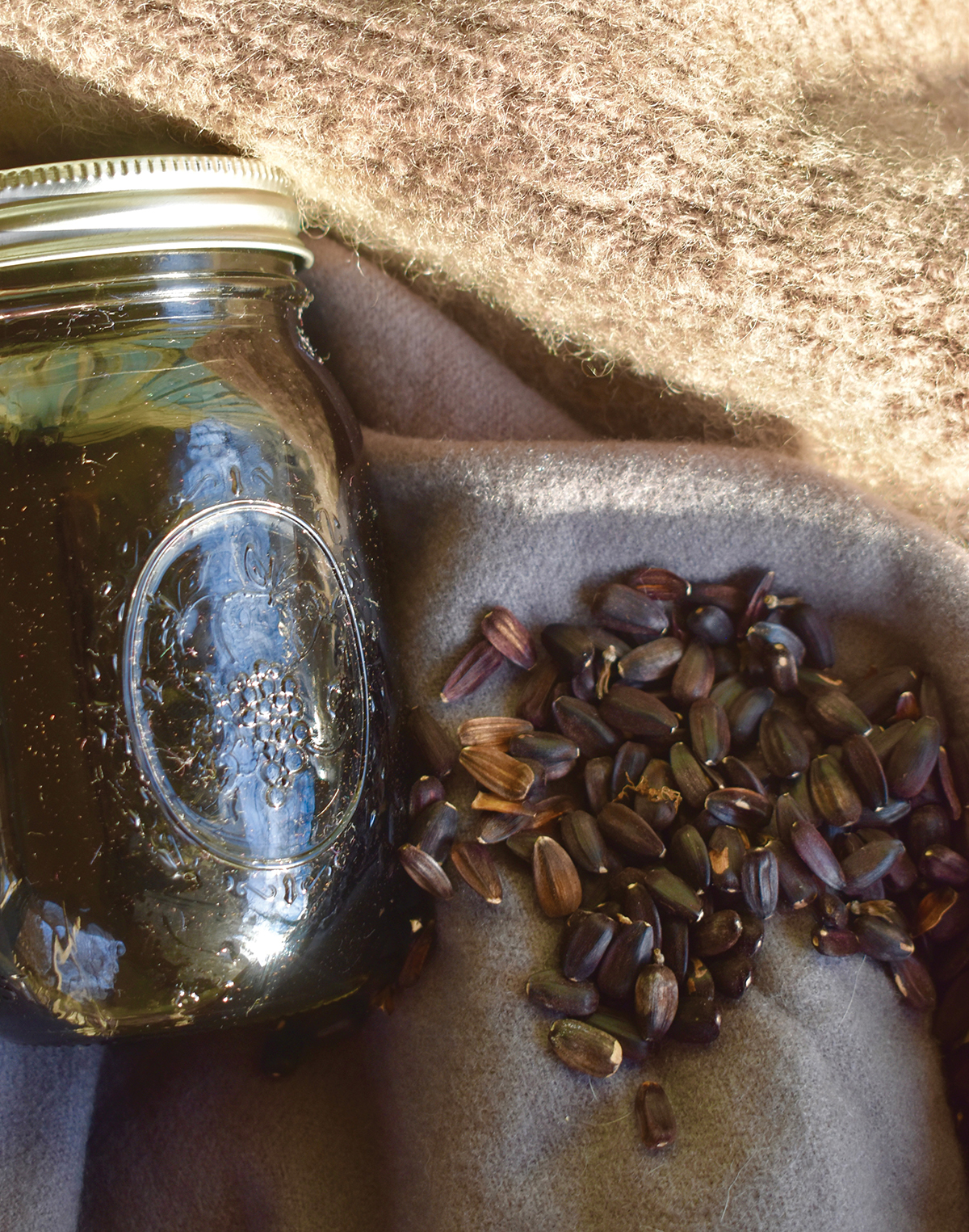
Hopi Black Dye sunflower seeds, dye and dyed fabric. Photo by Lyric East
Direct sow seeds in May after the last frost in an area of your garden where very tall plants (ten feet) can grow without their shade accidentally impacting other crops. Sunflowers are quite hardy and independent, but do give them some supplemental water through periods of drought.
Check for maturity in late summer when the heads begin to droop and the outer petals fall off. You can rub your fingers on the face of the sunflower to expose the seeds. You want to see fully developed seeds that are a dark purple/black in color. If the seeds are still light in color, they aren’t quite ready.
When the seeds are matured, harvest by cutting the entire head off of the plant. Rip off a chunk of the head to create loosened edges of seeds and use your thumbs to dislodge the seeds into a drying basket in a cool, well-ventilated area. Spread the seeds into a single layer and stir them daily as they dry.
Dry fully before storing in jars for dyes. Be sure to reserve some for planting again in the spring.
Find full instructions on making dye from the Hopi Black Dye sunflower in my Summer Seasonal Booklet at shop.WildEastFarm.com/seasonals. If you need seeds to get started, contact me!