By Allison Taylor
Ah, the joys of summer are here. While many of us enjoy the warmer weather that the season brings, there are special considerations when fishing for trout, which prefer cooler temperatures.
Here in the Appalachians, our cold-water streams stay cool enough for trout most of the year. However, the lower water levels typical of our late July, August and early September months mean less oxygenated and warmer water. Since trout are a cold-water fish species, they depend on cool and oxygenated water to survive.
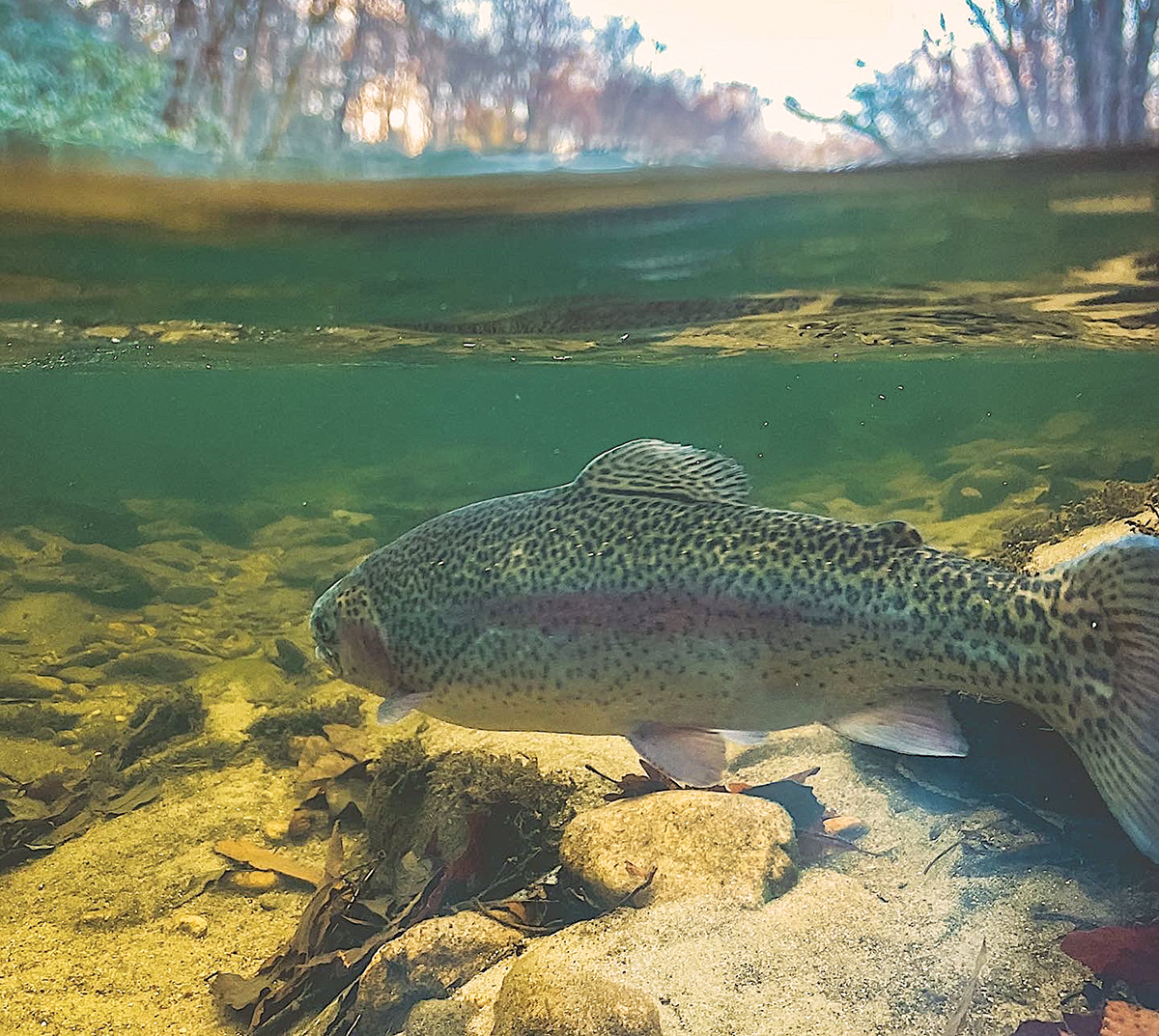
Photo by Ryan Waldrep
Once the water temperatures rise above 68°, the fish experience stress from a rise in their blood cortisol levels. It’s the same response that people feel when working outside on a hot day: we feel tired and lethargic due to those increased cortisol levels.
Due to the stress that the trout are already experiencing during hot weather, catching them in water that is above 68° can be lethal for them—even if they are revived and swim off with no apparent challenges. It can take up to 48 hours for a fish’s stress and cortisol levels to return to normal, and during their recovery period they are expending more energy than they can replenish, which eventually causes them to die. Carrying a stream thermometer during the summer months is crucial to monitor the water temperatures to avoid unnecessarily killing fish. Even after the water temperatures have dropped back into the mid to low 60s later in the afternoons, fish can still be at risk of death from being caught due to the long and hot day they endured.
Ryan Waldrep, the outfitter manager and guide for DB bar D Outfitters, located in Mills River, enjoys sharing his love of fishing with clients, as well as educating others on sustainable fishing. “If you choose to fish this summer, be respectful of the fish and be sure to spend plenty of time reviving any fish caught while keeping an eye on water temperatures,” says Waldrep. “Fishing in the morning from dawn until 10 or 11 a.m. is typically a safe bet that water temperatures are below 65°,” he adds.
Anyone who enjoys fishing is encouraged to do research on how water temperatures affect trout. We are fortunate in Western North Carolina to have an abundance of alternate fishing opportunities when the water is too warm for cold-weather fish species. Fish such as smallmouth bass, largemouth bass, sunfish and carp are all fun to catch, and are considered warm-water species.
For more information on DB bar D Outfitters, to book a guided trip or to learn about its fly fishing membership programs, visit DBbarD.com.