“In the garden, Autumn is, indeed, the crowning glory of the year, bringing us the fruition of months of thought and care and toil. And at no season, safe perhaps in Daffodil time, do we get such superb color effects as from August to November.”
— Rose G. Kingsley, The Autumn Garden, 1905
By Judith Canty Graves
Many gardeners don’t realize that it is possible to have flowers blooming in the garden during the months of September and October. If you choose carefully, however, you can extend the season of blooms until the first frost and possibly beyond.
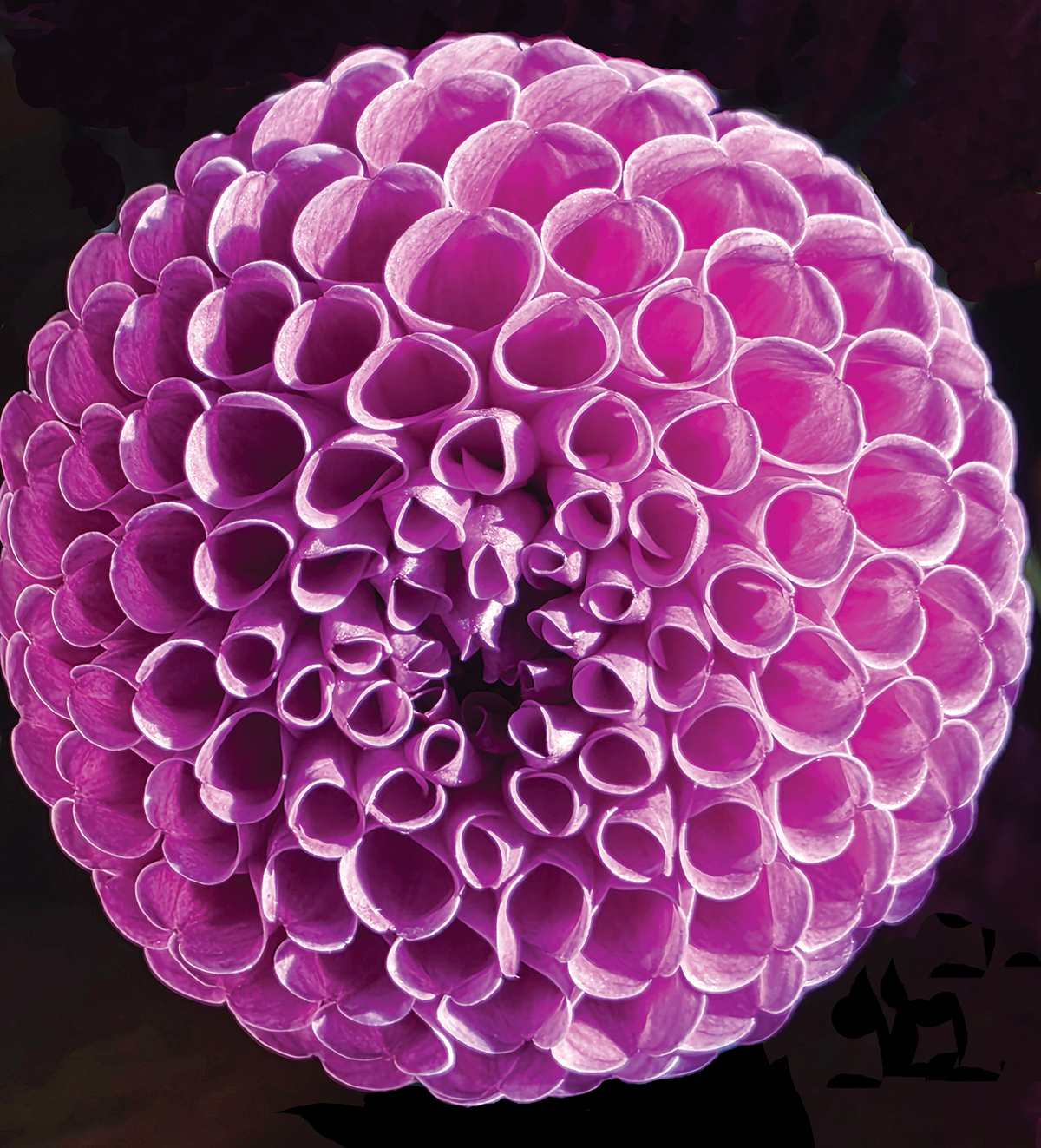
Pom Pom dahlia. Photo by Judith Canty Graves
When I first started growing flowers, I thought my cutting garden would end in late August, but over time I have discovered many plants that really go the distance. This is especially true if the first frost doesn’t occur until November, which is sometimes possible in warmer climates like North Carolina.
One successful “late bloomer” is the zinnia, which keeps blooming until the first frost, attracting butterflies, bees and hummingbirds. In a nearby meadow I have seen goldenrod and narrowleaf sunflowers blooming throughout the fall with their abundant gold petals. These flowers, which are reliable perennials, also attract many kinds of pollinators.
Plants like these are especially important for Monarch butterflies that begin their Southern migration in September. They depend on fall flowers for the nectar to fuel their journey. As they fly south to Mexico, eastern Monarchs cross the Blue Ridge Parkway in four different locations near Asheville from mid-September through early October.
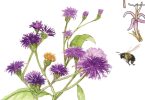
Asters, which are native to North America, bloom in September with more than 100 different varieties in many colors and sizes. Other native plants that produce colorful flowers in the fall are the blue mistflower and the garden phlox. All these plants provide late-season food for pollinators.
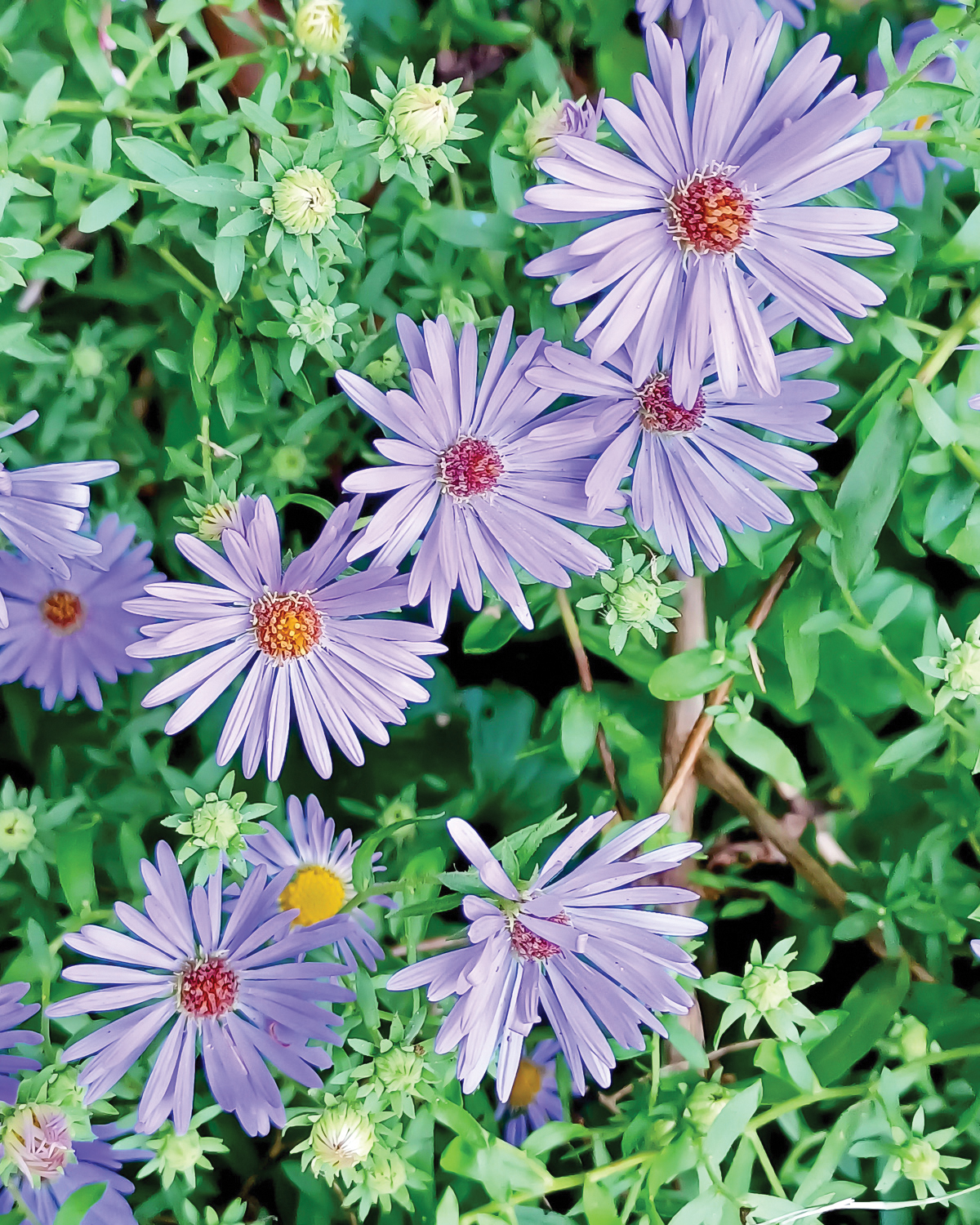
New England asters. Photo by Judith Canty Graves
In my garden, I like to grow the September Charm anemone, which, like all Japanese anemones, blooms with the most delicate flowers in different shades of pink, lavender, magenta and white. The flowers and handsome foliage of the anemone provide good ground cover and last until the first frost.
Moonflowers always surprise me with their tenacity, even when the nights are chilly. These tropical plants keep blooming through the first half of October with their spectacular white flowers. Tithonias, or Mexican sunflowers, also generate dozens of bright orange flowers that late-season pollinators love.
But the most striking fall “bloomer” is the glorious dahlia, which comes in many different shapes, sizes and patterns, with names like Decorative, Ball, Single, Cactus, Semi-Cactus and Pom Pom. The largest dahlia bloom is the Dinnerplate, which can stretch eight to 12 inches wide! These dahlias burst into bloom with large exuberant flowers during the fall and continue until the first frost. They are the stars of the fall garden!
November is also the season of ornamental cabbage and kale. Although they do not produce flowers, their attractive rosettes, or leaves, of white, pink and red intensify as the weather cools and provide welcome color after other plants have faded for the season. With all these choices, an adventurous gardener can extend the flower season well beyond August.
Judith Canty Graves is an award-winning columnist with a home garden in Asheville. Follow @TheObservantGardener on Instagram to see new garden photos daily.