
By Gina Malone
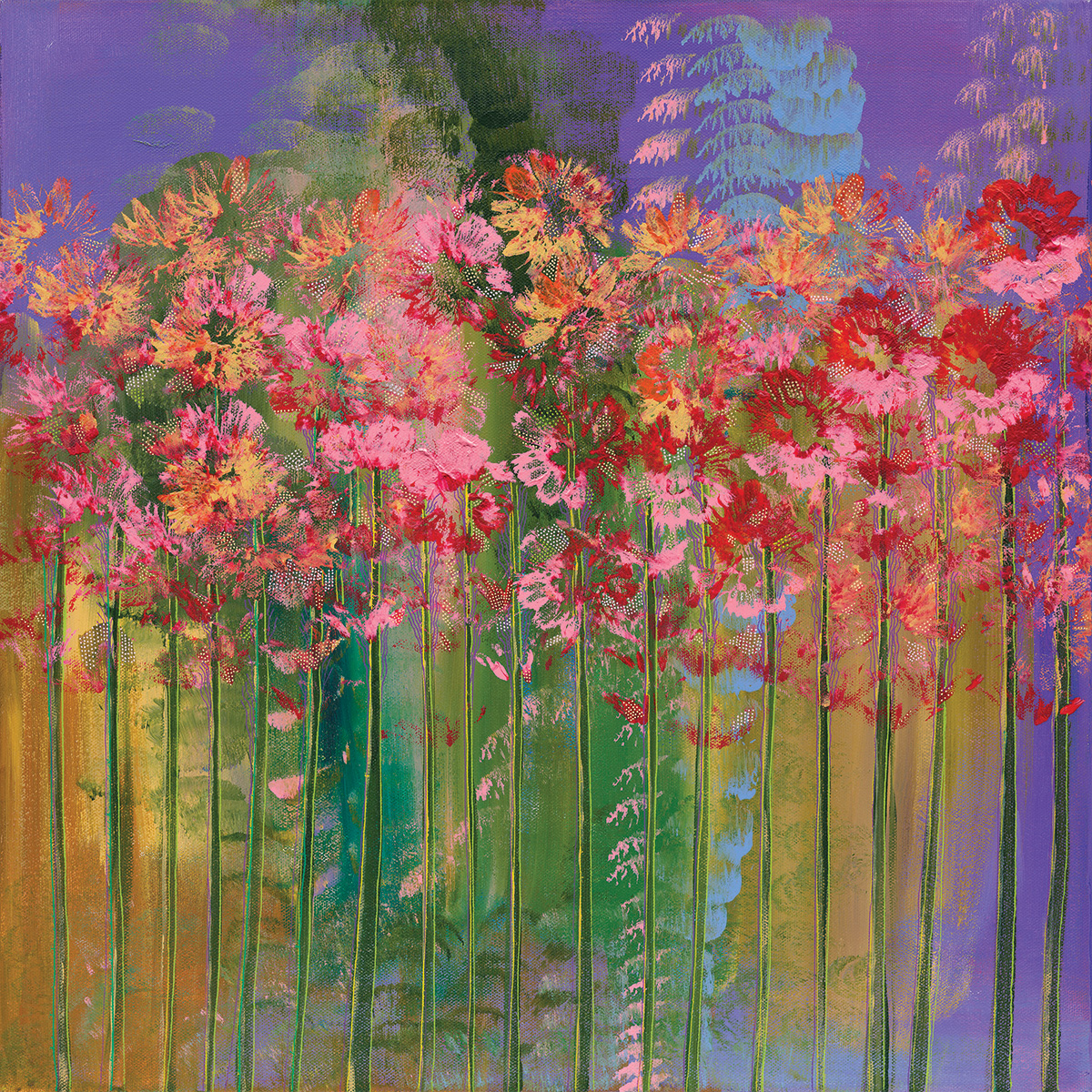
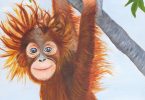
Abundantly Free. Raphaella Vaisseau, artist
In the 1960s, when Raphaella Vaisseau graduated from her Minnesota high school, commonly held views of the time were offered to her as advice: go to college and enter a money-making field or find a husband and become a housewife. “I tried to follow their guidance,” she says of her parents. “I completed college, got married, had a daughter, got divorced and worked as a dental hygienist for ten years before leaving to pursue more meaning and freedom in my life.” Breaking free from the societal norms for her meant becoming a hippie for three years, then finding her way through a spiritual awakening to an ashram.
“It wasn’t until 1981 that I picked up a paintbrush,” she says, “with the intention that since art wasn’t viable as a career I would paint for myself for fun.” She was remarried and living in Los Angeles by then and her first artworks were watercolor paintings—colorful and detailed.
With the support of friends and fellow artists, she eventually decided to pursue art as a career. But not as the stereotypical starving artist. “I had an innate business sense to guide me,” she says. Life events—leaving her second marriage and being diagnosed with cancer and given a prognosis of ten years to live—set her on a new course altogether.
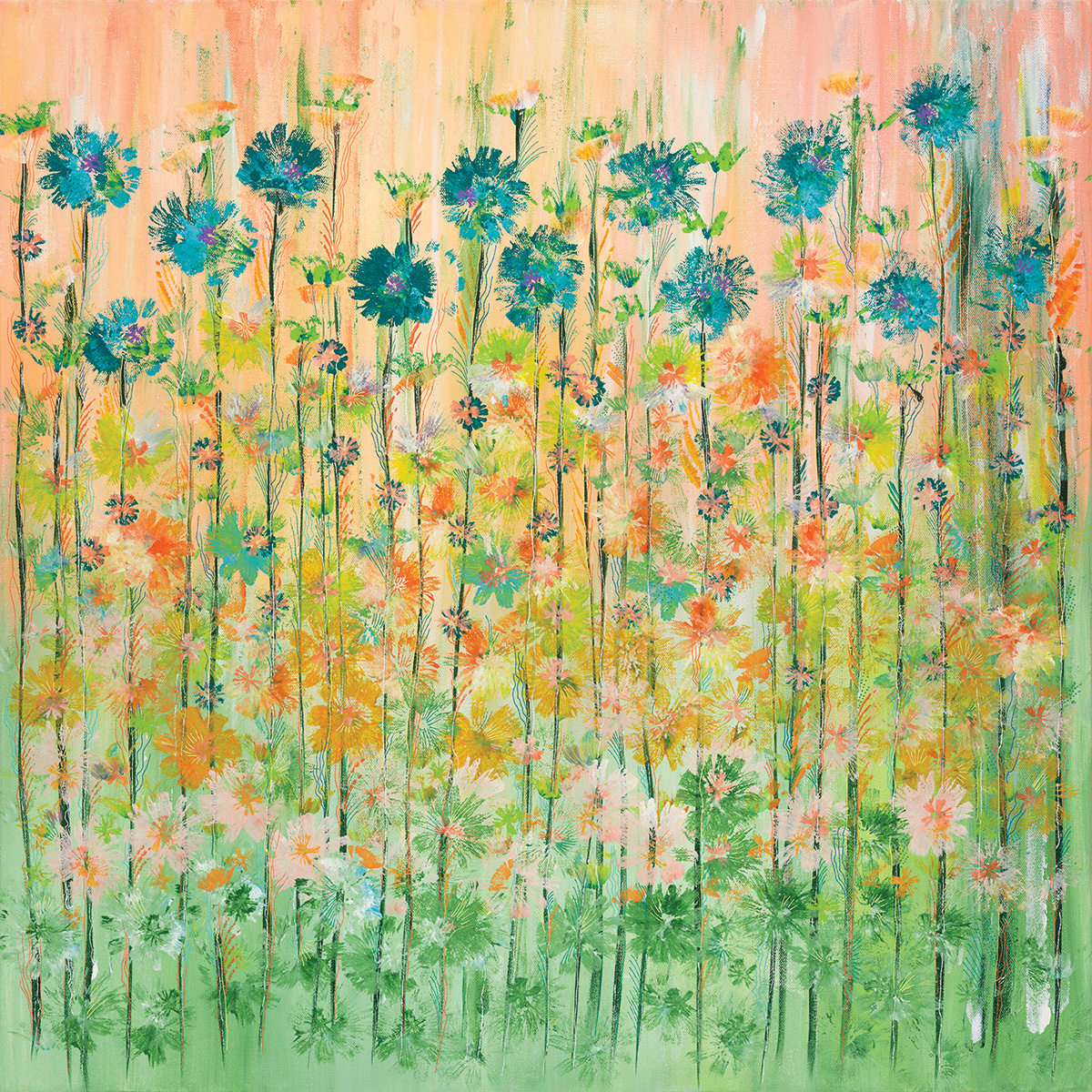
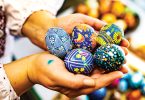
Peaches and Mint. Raphaella Vaisseau, artist
When she saw glass artist Vicki Leon with a line of buyers at an outdoor art market in West Hollywood, Vaisseau joined the line, seeking to know more about the artist who sold so much high-priced art and, ultimately, volunteering to help with her shows that summer. “I sold tons of her art to adoring fans,” Vaisseau says. “At the end of that summer, I started my company, selling hand-painted greeting cards to stores in the LA area. I still painted my detailed watercolors, pursued fine art exposure and had my first gallery show in Edmond Gallery in Laguna Beach, CA, but for me making money with art was all about business.” To that end, as her business grew she developed multiple product lines in various price ranges, making her art accessible to all.
In the next five years, she was able to leave her secretarial job, move to Ashland, OR, and support herself as an artist which, she says, she has managed to do to this day “despite breast cancer, earthquakes and the flood of Hurricane Helene.” She would make several more moves around the country before deciding to relocate to Asheville in 2018.
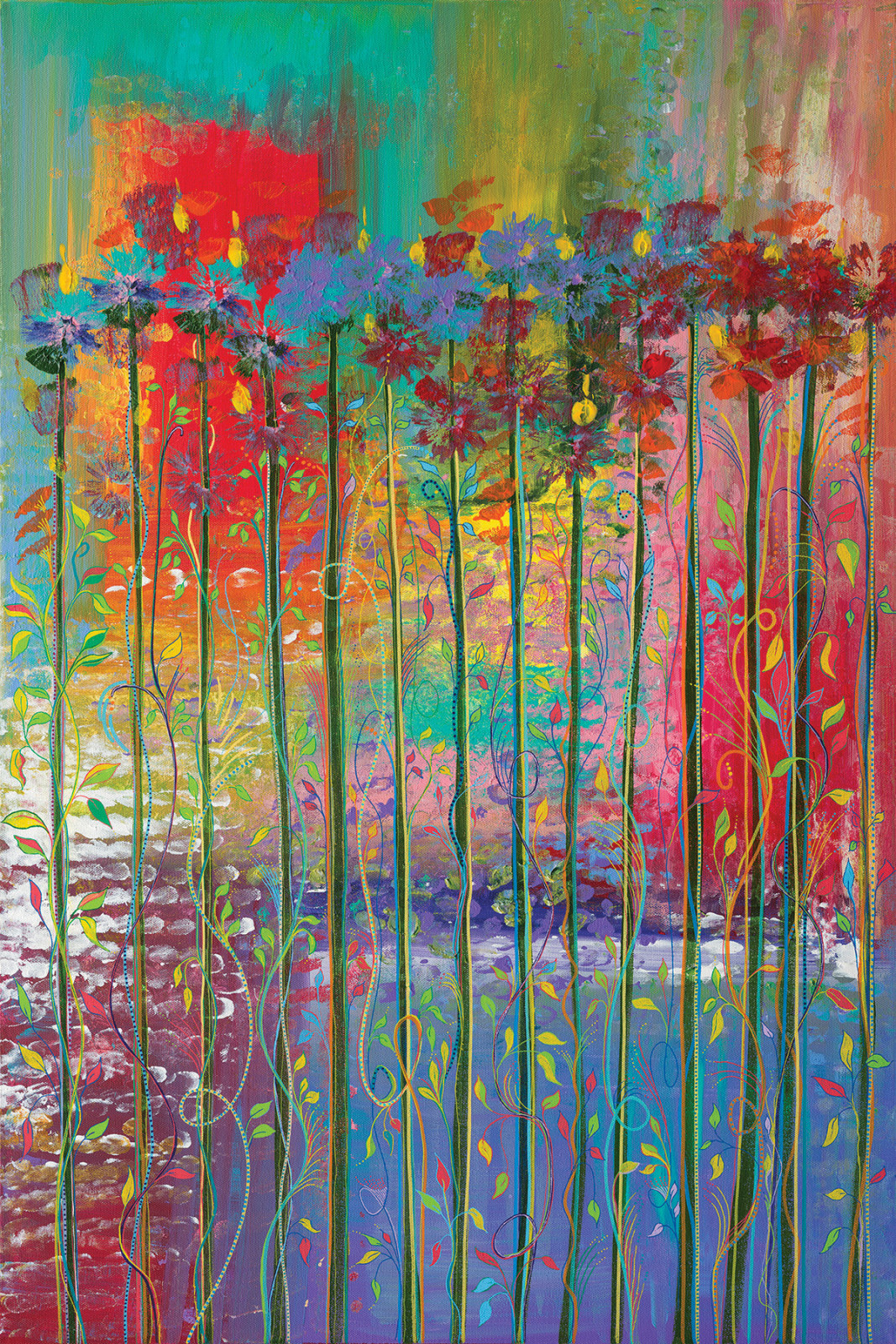
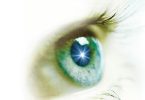
Awakening. Raphaella Vaisseau, artist
Julie Ann Bell, co-owner of Trackside Studios, met Vaisseau soon after she arrived. At that time she was looking for temporary display space while her Riverview Station studio was being renovated. “We warmed immediately to her bubbly optimism and presence,” Bell says, “so we were glad to find a space we could arrange so she could display her art.” After Hurricane Helene, Vaisseau was able to garner a working studio space at Trackside. “Her space is filled with colorful art, infused with Raphaella’s spirit,” says Bell. “She greets visitors with her joy and laughter. We love her heart-felt enthusiasm and the energy she brings to her art and to Trackside Studios.”
Besides Vaisseau’s studio space on the ground floor at Riverview Station, flood waters took art that had been years in the making. “My watercolor paintings of detailed layering of color on color were what I thought would be my legacy,” she says. “I wanted them in museums.” Having captured them digitally, she does, however, have prints of what was lost. “Since the flood, I have been painting happy, colorful art with acrylic on canvas,” she adds. Some of them were painted in a cold, dark garage before she was able to, once again, find a studio.
She credits resourcefulness that she has learned through the years and a lifelong devotion to practical spirituality with keeping her steady after pandemic closures and, especially, after the flood’s devastation. “I practiced envisioning myself two years later looking back at that time and telling the story of how I survived,” Vaisseau says. “I stopped talking about the devastation and kept my eyes on the sacred path. I kept faith and trust in God and kept my eyes open to every opportunity offered to me.” Her spirituality makes room for love of the natural world as well. “Nature is art,” she says. “It is living art. I did not make the river wrong after the flood. I mourned the loss of our trees as much as the loss of my art.”
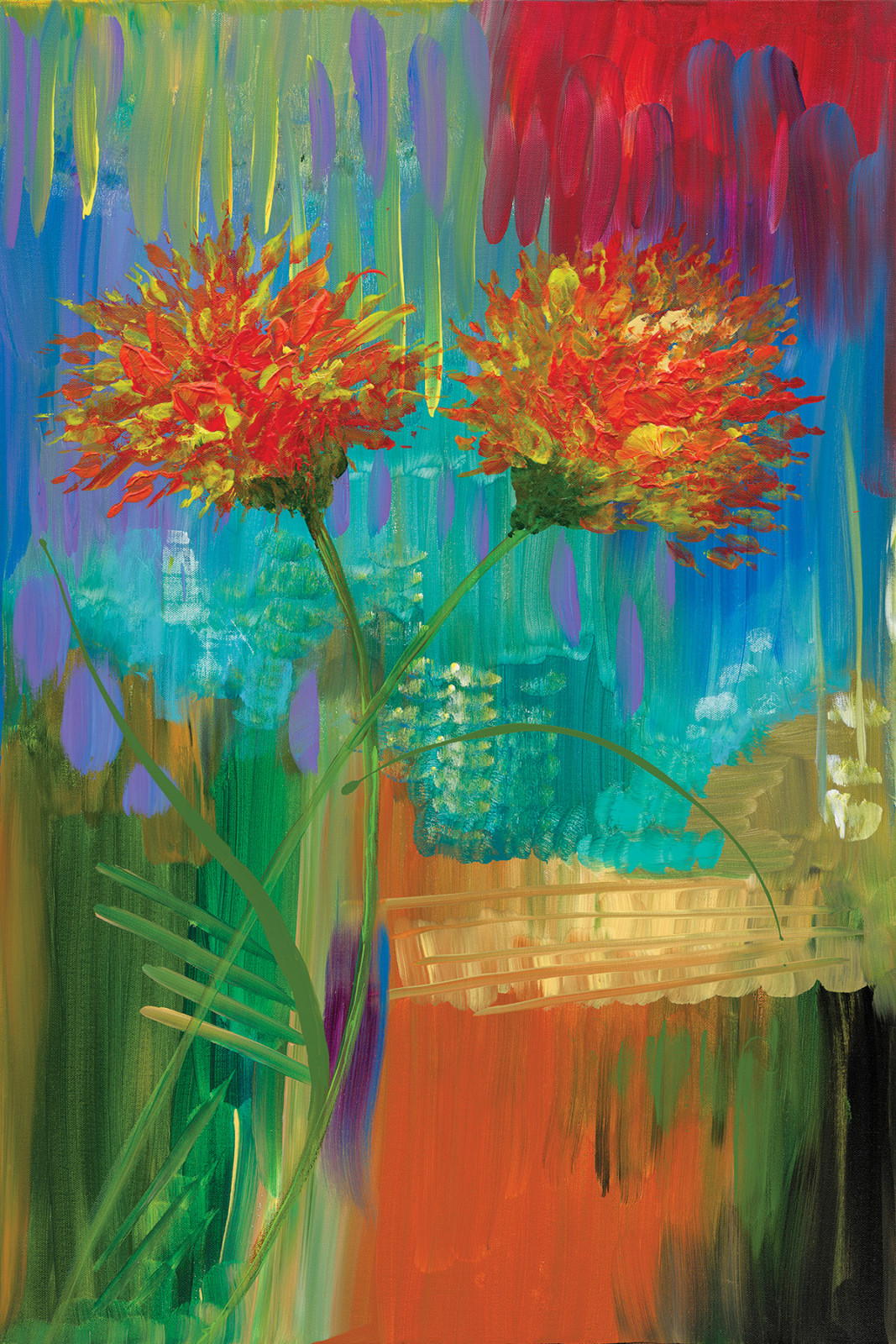
Wild Harmony. Raphaella Vaisseau, artist
When she creates art, it is not with a sense of what must or should be done. She does not involve her thinking mind. “I start with a blank canvas and express,” she says. “I’ve been meditating for more than 50 years, and painting comes from that place of meditation, breathing in and out. I see the art unfold as I center in my heart and simply express. It’s a joyful process.”
Vaisseau views her creativity as part of the whole of her being and tied in with her outlook on living. Her business name, Heartful Art, is a reflection of her philosophy. “My life’s work, including my artwork, is to bring joy and inspiration to others,” she says. “To see the goodness in our world. To find ways to live life a little better every day. To love each other, be kind and live our best lives.”
Find Heartful Art on the second floor of Trackside Studios, 375 Depot Street, in Asheville’s River Arts District, where Raphaella Vaisseau is usually available Friday, Saturday and Sunday, and by appointment. Learn more at HeartfulArt.com.

I love this new Abundantly free painting!!!
What sizes do you have and how much??????? I need to have one!!
Miss you!!